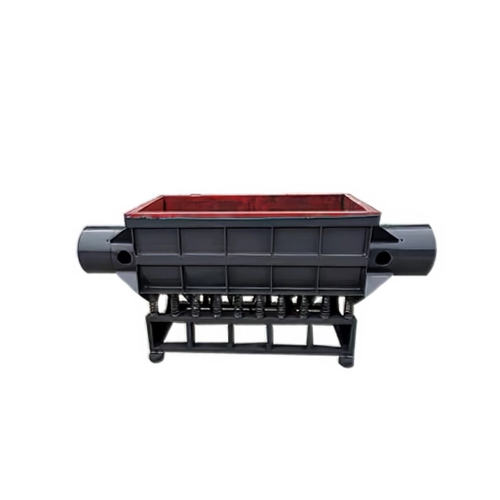
Vibratory polishing machines have become a cornerstone in surface finishing, deburring, and polishing operations across various industries. These machines utilize vibrational motion to polish and clean workpieces, making them an essential tool for manufacturers seeking efficiency, consistency, and high-quality results. The versatility of vibratory polishing machines allows them to be used in a wide range of applications, from polishing delicate jewelry to deburring heavy industrial components. This article explores the different uses of vibratory polishing machines, highlighting their benefits and applications across various sectors.
How Vibratory Polishing Machines Work
Vibratory polishing machines operate by creating oscillatory motion in a bowl or tub filled with polishing media and workpieces. The vibration causes the media to tumble, which in turn interacts with the workpieces to remove imperfections, smooth surfaces, and achieve the desired finish. The polishing media can vary based on the type of finish required, and the intensity of vibration can be adjusted to suit different materials and workpiece shapes.
Key Components of Vibratory Polishing Machines
Bowl or Tub: The container that holds the workpieces and polishing media. The design can vary from a simple bowl for small parts to a tub for larger or more complex parts.
Vibration Mechanism: This component generates the oscillatory motion. It can be mechanical or electromagnetic, creating the vibratory force that drives the polishing process.
Polishing Media: These are the abrasive materials used to interact with the workpieces and create the desired surface finish. Media can be ceramic, plastic, steel, or other compounds, depending on the application.
Workpieces: These are the items being polished. The material, shape, and size of the workpieces will influence the type of machine and media used.
Types of Vibratory Motion in Polishing
Circular Motion: This is the most common form of motion in vibratory polishing, ideal for general polishing tasks where uniformity is required.
Linear Motion: This motion is used when more precision is needed or when larger workpieces are involved.
Elliptical Motion: A combination of circular and linear motion, providing more flexibility and efficiency, particularly for mass production.
Primary Uses of Vibratory Polishing Machines
Vibratory polishing machines are highly versatile and used in many different applications. Below, we explore some of the most common uses.
1. Surface Finishing
Surface finishing is one of the primary uses of vibratory polishing machines. The ability to smooth and polish the surfaces of workpieces is crucial for industries that require high-quality, aesthetic results. Vibratory polishing machines achieve this by using polishing media to wear away rough surfaces, leaving behind a smooth, even finish.
Applications in Surface Finishing:
Metalworking: Used to polish metal components to remove surface imperfections, rust, and oxidation, resulting in a clean, shiny surface.
Plastic Polishing: Vibratory polishing machines are also used to refine the surfaces of plastic parts, making them smooth and glossy.
Ceramic Polishing: Ceramics used in various industries also benefit from surface finishing, where the vibratory machine polishes the surface for smoothness and visual appeal.
2. Deburring
Deburring is the process of removing burrs, sharp edges, and other unwanted projections from parts. Burrs are typically formed during machining processes, and if left unremoved, they can lead to safety issues, improper fit, or malfunctioning parts. Vibratory polishing machines effectively remove these burrs, improving part safety and functionality.
How Vibratory Polishing Machines Aid in Deburring:
Automotive Industry: Removes burrs from small and large automotive components like gears, engine parts, and fasteners.
Medical Device Manufacturing: Deburring delicate medical instruments to ensure they meet stringent safety standards.
3. Edge Radiusing
Edge radiusing refers to the process of rounding the edges of parts to avoid sharp corners. Sharp edges can pose a safety hazard or affect the functionality of a part. Vibratory polishing machines can provide consistent edge radiusing by tumbling workpieces with polishing media.
Applications in Edge Radiusing:
Automotive Parts: Smooth, rounded edges improve the fit and performance of automotive components.
Industrial Tools: Tools with rounded edges are safer and less prone to damage.
4. Polishing of Delicate Parts
For industries such as jewelry manufacturing, electronics, and precision engineering, polishing delicate parts is essential. Vibratory polishing machines are ideal for polishing small and intricate parts without causing damage.
Applications in Delicate Polishing:
Jewelry Manufacturing: Polishing precious metals like gold, silver, and platinum, ensuring a high-gloss finish.
Electronics: Polishing electronic components to improve appearance and ensure smooth finishes for connection points.
5. Cleaning and Debris Removal
Vibratory polishing machines are not only used for polishing but also for cleaning workpieces by removing debris, oxidation, or contamination. The combination of vibration and polishing media helps dislodge dirt and other residues, ensuring that parts are thoroughly cleaned.
Applications in Cleaning:
Metal Parts Cleaning: Removes oils, grease, and dust from metal components before further processing.
Electronics: Ensures that delicate electronic parts are free from contaminants that could affect performance.
![Vibratory polishing machine]()
Benefits of Using Vibratory Polishing Machines
Vibratory polishing machines offer several key benefits that make them a preferred choice in many industries:
Efficiency
Vibratory polishing machines are faster than manual polishing methods, which increases production speed and reduces time spent on polishing tasks.
Consistency
These machines provide uniform results, ensuring that all workpieces receive the same level of polishing, which is particularly important in high-volume manufacturing.
Cost-effectiveness
The automation of vibratory polishing processes reduces labor costs and minimizes human error, making it a cost-effective solution in many production lines.
Versatility
Vibratory polishing machines can be used on a wide variety of materials, including metals, plastics, ceramics, and more. This makes them highly versatile in different industries.
Industries That Use Vibratory Polishing Machines
Vibratory polishing machines are used across a wide range of industries, each with specific requirements for polishing, deburring, and surface finishing.
Automotive Industry
Used for deburring and polishing small automotive parts such as gears, brackets, and engine components.
Metalworking Industry
Vibratory polishing is essential for finishing metal parts, removing burrs, and achieving smooth surfaces on components like fasteners and machine tools.
Aerospace Industry
Used to polish aerospace components, ensuring they meet stringent performance and aesthetic standards.
Electronics Industry
Polishing small electronic components to improve functionality and appearance while ensuring clean, smooth surfaces.
Jewelry and Watches
Polishing precious metals and intricate jewelry pieces to achieve a high-gloss finish.
Factors to Consider When Using Vibratory Polishing Machines
To achieve the best results with a vibratory polishing machine, several factors must be considered, including:
Factor | Considerations |
Workpiece Material | The material being polished (metal, plastic, ceramic) will determine the type of media and vibration settings needed. |
Workpiece Size and Shape | Larger or irregularly shaped workpieces may require different machine designs or more extended processing times. |
Desired Finish | Whether a coarse or fine finish is needed will influence the type of media and vibration intensity chosen. |
Production Volume | High-volume applications may require continuous systems for greater efficiency, while low-volume tasks can benefit from batch-type systems. |
Choosing the Right Machine Based on Application
High-Volume Production: Continuous vibratory polishing systems are the best choice for high-volume polishing needs, as they automate the process and reduce handling time.
Delicate Polishing: Ultrasonic vibratory polishing machines are ideal for polishing delicate or intricate parts with precision.
Heavy-Duty Applications: High-energy vibratory polishing machines are best for hard materials and large components.
Maintenance and Care for Vibratory Polishing Machines
Proper maintenance ensures that vibratory polishing machines remain efficient and continue to perform at their best. Some key maintenance practices include:
Routine Maintenance Tasks
Bowl/Tub Cleaning: Regularly cleaning the bowl or tub to prevent residue buildup.
Media Inspection: Checking and replacing polishing media as it wears down over time.
Vibration System Check: Ensuring the vibration system is functioning correctly to maintain effective polishing action.
When to Replace Parts
Polishing media and other components should be replaced regularly to maintain consistent results. Media should be checked for wear, while parts like the motor or vibration system may need maintenance after extended use.
Conclusion
Vibratory polishing machines are indispensable tools for a range of applications, including surface finishing, deburring, and delicate polishing. These machines are crucial for manufacturers looking to optimize their production processes, improve product quality, and reduce operational costs. Whether working with small, intricate components or large industrial parts, vibratory polishing machines offer versatile, efficient, and cost-effective solutions to achieve consistent, high-quality results.
At Huzhou Antron Machinery Co., Ltd., we specialize in providing advanced vibratory polishing machines designed to meet the specific needs of various industries. Our machines help manufacturers enhance productivity and maintain high-quality standards across different materials and applications. Whether you need to improve the finish of metal parts, clean delicate components, or achieve precise deburring, our solutions are tailored to deliver the best results.
If you're looking to optimize your polishing processes, we invite you to contact us. Our expert team is ready to assist you in choosing the right vibratory polishing machine for your requirements and help you achieve greater efficiency in your operations.
FAQs
1. What materials can be polished using a vibratory polishing machine?
Vibratory polishing machines are capable of polishing various materials, including metals (such as aluminum, steel, and titanium), plastics, ceramics, and composites.
2. How does vibratory polishing improve part functionality?
Vibratory polishing removes burrs and sharp edges, smoothing surfaces and improving the part's fit, functionality, and durability.
3. Can vibratory polishing machines be used for polishing delicate components?
Yes, ultrasonic vibratory polishing machines are specifically designed for delicate components and provide a fine, precise finish.
4. How long does the polishing process take with a vibratory polishing machine?
The time needed depends on several factors, such as the material type, desired finish, and workpiece size, but vibratory polishing generally speeds up the process compared to manual polishing.
5. Can vibratory polishing machines be automated?
Yes, many vibratory polishing machines are automated, allowing for continuous polishing without manual intervention, which is ideal for high-volume production.