Ever seen a dull surface turn bright? A polishing machine can do that fast. It smooths metal, paint, and parts. Many workshops use a polishing machine daily. It helps remove marks and restore shine. In this guide, you will learn the basics.
We explain preparation, operation, and tips. You will also learn how to avoid mistakes.
Understanding How a Polishing Machine Works
The basic working principle of a polishing machine
A polishing machine improves surface quality through controlled motion and abrasive materials. The machine rotates or oscillates a polishing pad while a polishing compound removes small defects such as scratches, oxidation, or machining marks. As polishing continues, abrasive particles become finer, gradually turning a rough surface into a smooth and reflective finish.
The final result depends on several interacting factors, including pad material, compound type, machine motion, and applied pressure. Proper control of these variables helps achieve consistent polishing results without overheating or damaging the surface.
Key components involved in the process include:
● Motion system: The machine produces rotational or orbital movement to distribute polishing action evenly.
● Abrasive compounds: Fine particles in paste or liquid form smooth the surface and remove imperfections.
● Polishing pads: Foam, wool, or microfiber pads carry the compound and control polishing intensity.
The polishing process normally progresses through three stages:
Stage | Purpose | Result |
Cutting | Removes deeper scratches or oxidation | Surface becomes smoother |
Polishing | Uses finer abrasives to refine texture | Gloss begins to appear |
Finishing | Applies soft pads and fine compounds | High-gloss or mirror finish |
This gradual process protects the material while improving its appearance and smoothness.
Types of polishing machines used in surface finishing
Different polishing machines are designed for different polishing tasks. The motion pattern of the machine determines its cutting strength, control level, and risk of surface damage.
Type | Motion Pattern | Main Advantage | Typical Use |
Rotary polishing machine | Single circular rotation | Strong cutting power | Heavy defect correction |
Dual-action polishing machine | Rotation + orbital movement | Safer and more stable | Surface finishing |
Rotary machines focus polishing power on one area, making them suitable for removing deeper scratches or oxidation. However, they require experience because excessive heat can develop if the machine stays in one spot.
Dual-action machines move the pad in both rotating and oscillating motions. This spreads polishing pressure across a larger area and reduces the risk of swirl marks or overheating. They are commonly used for light to moderate polishing work.
Typical applications include:
● Rotary machines: industrial metal polishing and restoration work
● Dual-action machines: paint correction and delicate surface finishing
● Automated systems: batch metal polishing in manufacturing environments
Selecting the correct machine type helps improve polishing efficiency and protect the surface being processed.
Why dual-action polishing machines are recommended for beginners
For beginners learning to use a polishing machine, dual-action polishers are usually the safest option. Their orbital movement distributes friction across a wider area, which helps reduce heat buildup during polishing.
Another advantage is the more stable polishing pattern. Because the pad does not stay on a single path, the machine is less likely to create swirl marks or uneven polishing lines. This makes it easier for new operators to maintain a consistent finish.
Key reasons beginners choose dual-action machines include:
● Lower risk of surface damage: reduced heat concentration
● More forgiving operation: small technique mistakes have less impact
● Better control: smoother movement across the work surface
For these reasons, many polishing guides recommend starting with a dual-action polishing machine before using more aggressive rotary equipment.
Example of Industrial Polishing Equipment in Metal Processing
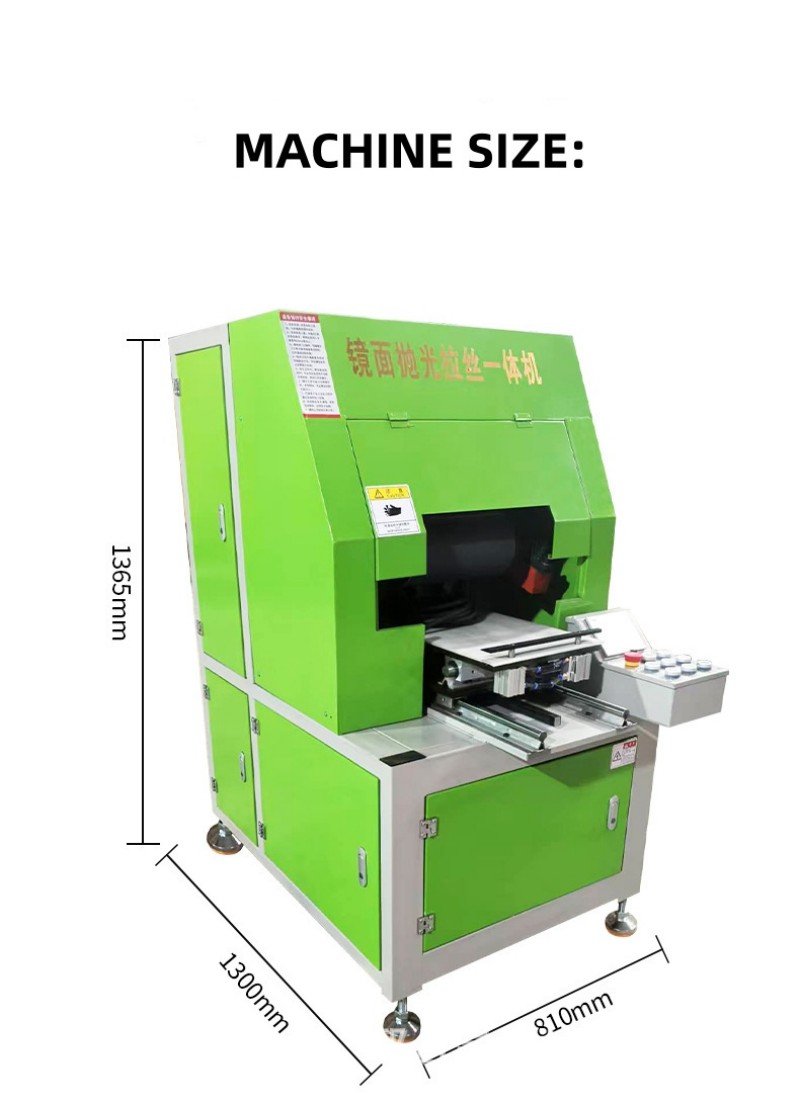
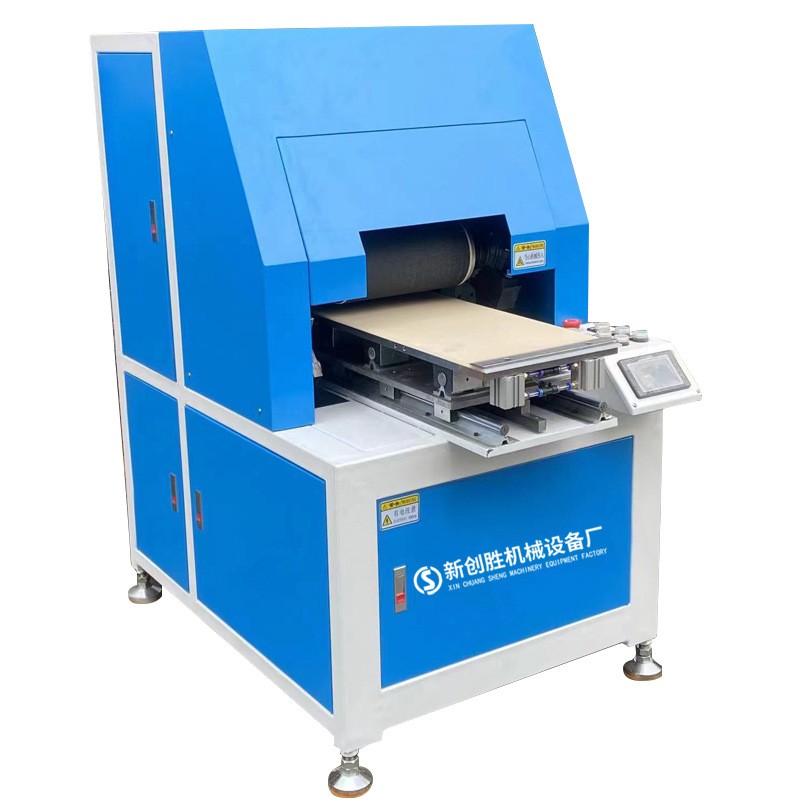
Mirror polishing equipment used for flat metal surfaces

In industrial manufacturing environments, polishing machines are often designed to process large volumes of metal components with consistent precision. One example of such equipment is mirror polishing systems used for flat metal sheets such as stainless steel, aluminum, copper alloys, and carbon steel components.
These machines integrate multiple polishing stages into a single automated process. Instead of relying solely on manual polishing, industrial systems combine abrasive cutting, surface smoothing, and buffing operations in sequence. This allows manufacturers to transform raw metal surfaces into high-quality finishes suitable for decorative, structural, or functional applications.
A typical industrial polishing system includes several coordinated processing mechanisms:
● Abrasive cutting stage Removes burrs, slag, or machining marks left by processes such as laser cutting or punching.
● Intermediate polishing stage Uses progressively finer abrasives to refine the surface texture.
● Buffing stage Applies soft polishing wheels and fine compounds to create a bright or mirror-like finish.
To ensure consistent results across different materials, many industrial polishing machines use programmable control systems. Operators can set parameters such as polishing speed, feed rate, oscillation frequency, and stroke distance depending on the material being processed.
The key operational parameters typically controlled in automated polishing equipment include:
Parameter | Function | Impact on Polishing Quality |
Spindle speed | Controls polishing wheel rotation | Influences cutting strength and surface smoothness |
Feed rate | Determines how fast the workpiece moves through the machine | Affects polishing uniformity |
Oscillation frequency | Controls side-to-side polishing motion | Helps prevent polishing lines |
Reciprocating stroke | Defines polishing coverage area | Ensures even surface finishing |
Another advantage of industrial polishing equipment is its compact and integrated machine structure. Many systems are designed with enclosed frames and vibration-damping structures that stabilize the polishing process while reducing dust and noise in the workshop environment. Automated operation also improves productivity, allowing manufacturers to process large numbers of components with consistent surface quality.
In production environments such as consumer electronics manufacturing, automotive component finishing, and decorative metal fabrication, mirror polishing machines provide a practical solution for achieving high-gloss surfaces while maintaining efficiency and repeatability. By combining programmable motion control with advanced abrasive processing, these machines ensure that metal parts can reach precise surface quality standards without excessive manual labor.
Preparing the Surface Before Using a Polishing Machine
Before using a polishing machine, proper surface preparation is essential. Dust, oil, and debris can interfere with polishing and may cause scratches if trapped between the pad and the surface. A clean and dry surface allows the polishing compound to work effectively and ensures consistent finishing results.
Basic preparation steps include:
● Cleaning the surface: Remove grease, dust, and residues using a suitable cleaner and a lint-free cloth.
● Drying completely: Moisture can weaken polishing compounds and reduce their effectiveness.
● Inspecting the surface: Check for scratches, oxidation, or uneven areas to determine the required polishing level.
Inspection Area | What to Check | Why It Matters |
Surface cleanliness | Dust, oil, fingerprints | Prevents new scratches |
Existing defects | Scratches, swirl marks | Helps choose the right compound |
Surface condition | Paint or coating thickness | Ensures safe polishing pressure |
In addition to cleaning, surrounding components should be protected. Masking tape is often used to cover plastic trims, rubber seals, logos, and sharp edges. This prevents polishing residue from spreading and protects delicate areas from accidental contact with the polishing pad.
Choosing the correct polishing pad and compound is also important. Different combinations provide different cutting strengths.
Surface Condition | Pad Type | Compound Type |
Light haze | Soft foam pad | Fine polishing compound |
Moderate scratches | Medium foam or microfiber pad | Medium-cut compound |
Heavy defects | Wool or heavy-cut pad | Coarse cutting compound |
A common strategy is to start with a mild combination and increase abrasiveness only if needed. This approach protects the surface while still achieving a smooth and polished finish.
How to Operate a Polishing Machine Step by Step
Preparing the polishing pad and applying compound
Once the surface is properly prepared, the next step is to prepare the polishing machine itself. Correct pad preparation ensures that the polishing compound spreads evenly and that the machine operates smoothly from the beginning of the polishing process.

Start by placing a small amount of polishing compound onto the polishing pad. A few small drops are usually sufficient because excessive compound can reduce polishing efficiency and create unnecessary residue. The goal is to maintain a thin, even layer of abrasive material between the pad and the work surface.
Before activating the polishing machine, gently press the pad against the work area and move it slightly across the surface. This action distributes the compound across the polishing zone and prevents the compound from splattering when the machine starts.
Proper compound preparation typically follows these steps:
1. Apply several small drops of compound onto the pad surface.
2. Lightly press the pad onto the workpiece to transfer the compound.
3. Spread the compound across the target area before starting the machine.
This preparation stage allows the polishing machine to begin working immediately and reduces the risk of uneven polishing marks.
Starting the polishing machine at a low speed
Operating a polishing machine always begins with a low speed setting. Starting slowly allows the compound to distribute evenly across the surface and helps the operator maintain control over the polishing motion.
When the polishing machine first contacts the surface, the pad should remain flat and stable. Gradually moving the machine across the area allows the abrasive compound to begin breaking down and smoothing the material surface.
Once the compound has been evenly distributed, the operator can gradually increase the machine speed to a moderate level. This stage provides the main polishing action and begins removing visible defects.
A typical speed progression during polishing looks like this:
● Low speed: spreading the compound and stabilizing the pad
● Medium speed: performing the main polishing work
● Finishing speed: refining the surface and improving gloss
Maintaining controlled speed adjustments ensures that the polishing process remains stable and prevents unnecessary heat buildup.
Working in controlled sections
Effective polishing requires careful control of the machine’s movement across the work surface. Instead of attempting to polish a large surface all at once, experienced operators divide the area into smaller, manageable sections.
Working in smaller sections provides several advantages. It allows the polishing compound to remain effective within a concentrated area and ensures that each portion of the surface receives adequate polishing time. This method also helps maintain consistent polishing pressure and motion.
A commonly used approach is to divide the surface into sections approximately 2 × 2 feet (about 60 × 60 cm) in size. Each section is polished individually before moving on to the next area.
The benefits of sectional polishing include:
● Improved control over machine movement
● More uniform surface correction
● Easier monitoring of polishing progress
● Reduced risk of missed or uneven areas
Once a section is polished and inspected, the operator can move on to the next section until the entire surface has been completed.
Using overlapping passes to achieve even polishing
To achieve a smooth and uniform finish, the polishing machine must follow a consistent movement pattern across the surface. One of the most effective techniques is the overlapping pass method.
In this method, the polishing machine moves in a series of parallel passes across the surface. After completing one pass, the operator moves the machine slightly to the side so that the next pass overlaps the previous one. This ensures that no areas are skipped and that polishing pressure is evenly distributed.
Polishing movements typically alternate between two directions:
● Horizontal passes across the work surface
● Vertical passes that cross the previous polishing pattern
This cross-pattern technique helps remove swirl marks and improves polishing consistency. Each pass usually overlaps the previous one by about 50 percent, ensuring that every part of the surface receives equal polishing coverage.
Practical Polishing Machine Techniques for Better Results
Maintaining continuous movement during polishing
When using a polishing machine, it is important to keep the machine moving across the surface. Continuous movement allows the polishing compound to work evenly and prevents heat from building up in one spot. If the machine stays in the same place for too long, friction can damage coatings or create uneven polishing marks.
Operators should guide the machine slowly and steadily while maintaining a consistent speed. A controlled movement pattern helps distribute the compound evenly and improves the final finish.
Good polishing movement usually includes:
● Moving the machine slowly and steadily across the surface.
● Following a clear polishing pattern so every area receives equal treatment.
● Avoiding rapid movements or staying in one location too long.
Developing a smooth and consistent polishing rhythm is one of the most effective ways to achieve stable polishing results.
Controlling pressure and machine stability
Pressure control is another key factor when operating a polishing machine. Many beginners try to apply extra force, thinking it will remove defects faster. In reality, excessive pressure often reduces polishing efficiency and can create uneven results.
In most cases, the best approach is to allow the weight of the polishing machine to provide the main polishing pressure. Light guidance from the operator helps the pad rotate freely and keeps polishing energy evenly distributed.
Machine stability is also important. The polishing pad should remain flat against the surface during operation. If the pad tilts, the polishing force becomes concentrated in one area and may cause swirl marks or surface damage.
Important pressure control tips include:
● Let the machine perform most of the work.
● Keep the polishing pad flat on the surface.
● Use both hands to guide the machine smoothly.
Proper pressure and stable positioning help produce smoother finishes and protect the material being polished.
Monitoring polishing progress and adjusting technique
Polishing should be monitored regularly to ensure the desired results are achieved. Instead of polishing the entire surface without checking, operators should stop periodically and inspect the work area.
A simple way to evaluate progress is to wipe away polishing residue with a clean microfiber cloth. This reveals the real surface condition and helps determine whether additional polishing passes are needed.
During inspection, operators should look for:
● Remaining scratches or swirl marks
● Uneven gloss levels
● Haze left by polishing compounds
If defects remain, adjustments may be necessary. These may include slightly increasing machine speed, switching to a stronger compound, or using a softer finishing pad. By monitoring results and adjusting technique, operators can achieve better polishing quality with fewer passes.
Common Mistakes When Using a Polishing Machine

Applying excessive polishing compound
One common mistake when using a polishing machine is applying too much polishing compound. While it may seem helpful, excessive compound can reduce polishing efficiency. The pad becomes overloaded and forms a thick layer between the pad and the surface.
This reduces friction and makes it harder for the abrasive particles to work effectively. Too much compound can also leave heavy residue that makes it difficult to evaluate the polishing result.
A better approach is to use a small amount of compound and add more only when necessary. A thin layer allows the abrasive particles to work efficiently and keeps the polishing process controlled.
Using too much pressure on the machine
Another common mistake is applying excessive pressure while operating the polishing machine. Pressing too hard can slow down the pad rotation and reduce the effectiveness of the polishing compound.
Heavy pressure may also generate heat, which can damage coatings or delicate surfaces. In some cases, it can create uneven polishing patterns or swirl marks.
Instead of forcing the machine against the surface, operators should guide the polishing machine gently. Allowing the motor and compound to perform the work produces better and safer polishing results.
Polishing on contaminated or overheated surfaces
Polishing a dirty or overheated surface can quickly lead to poor results. Dust, sand, or debris trapped between the polishing pad and the surface can act like coarse abrasives and create scratches instead of removing them.
Heat can also reduce polishing effectiveness. High temperatures may cause compounds to dry too quickly and make certain coatings more vulnerable to damage.
To prevent these issues, surfaces should always be cleaned before polishing. It is also recommended to work in a cool and well-ventilated environment and allow hot surfaces to cool before starting the polishing process.
Conclusion
Using a polishing machine starts with proper preparation. Clean the surface well. Choose the correct pad and compound.Control speed and pressure carefully. Keep the machine moving steadily. Check the surface during polishing.With practice, results improve. Huzhou Antron Machinery Co., Ltd. provides reliable polishing equipment. Their machines support stable and efficient surface finishing.
FAQ
Q: How do you use a polishing machine safely?
A: Use a polishing machine on a clean surface, start at low speed, keep the pad flat, and move continuously to avoid heat buildup.
Q: What speed should a polishing machine run at?
A: A polishing machine usually starts at low speed to spread compound, then runs at moderate speed for controlled surface finishing.
Q: Can a polishing machine remove scratches from metal?
A: Yes. A polishing machine can remove light scratches using the correct polishing pad and compound combination.
Q: What polishing pad should be used with a polishing machine?
A: Choose pads based on surface condition. Softer pads refine finishes, while aggressive pads with a polishing machine remove deeper defects.
Q: How often should polishing pads be cleaned during use?
A: Clean pads regularly to prevent compound buildup, which maintains consistent polishing performance and surface quality.