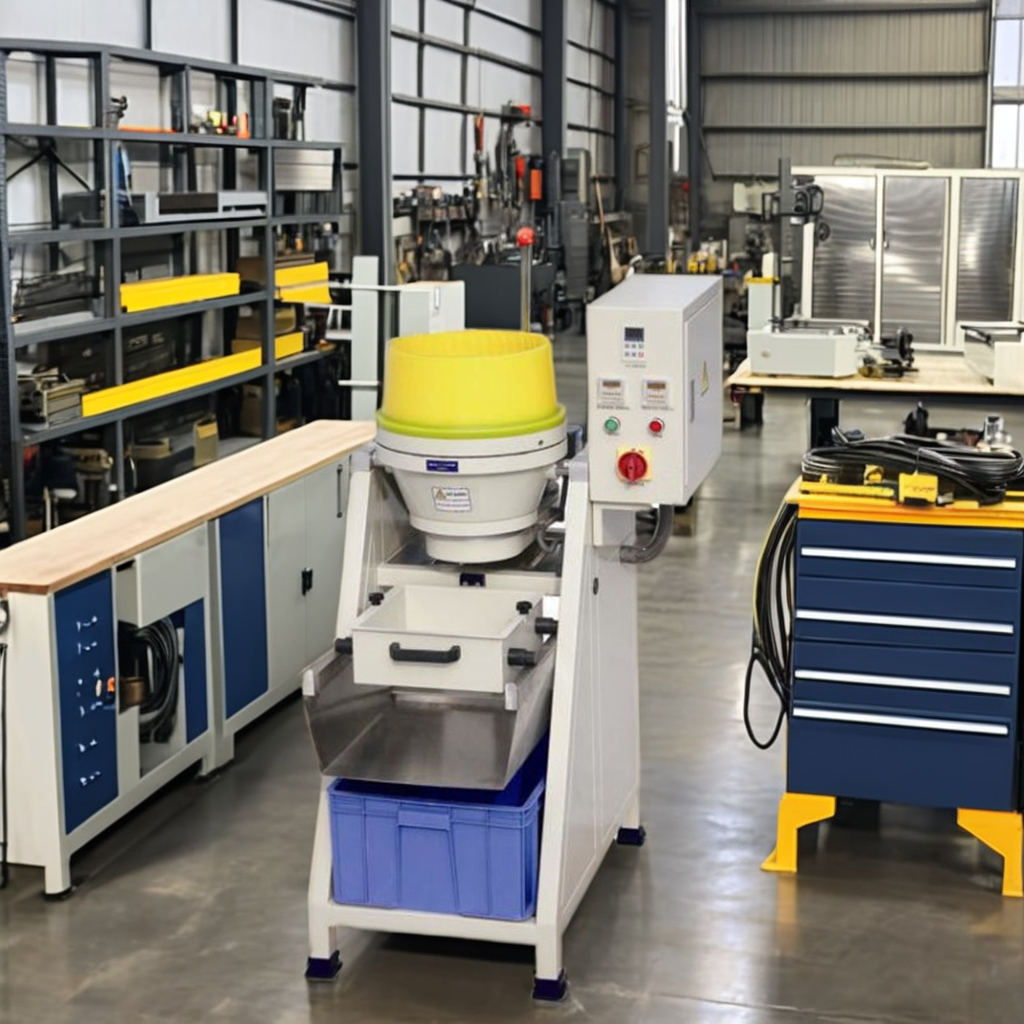
Manufacturers constantly struggle to achieve consistent surface finishes while managing tight production schedules. Manual deburring introduces human error and slows throughput. It limits your ability to scale operations. Mass finishing solves this exact operational bottleneck. We define it as a mechanical process used to deburr, descale, burnish, or polish multiple parts simultaneously. It is a critical path to standardizing part quality in high-volume manufacturing. It also eliminates tedious manual labor tasks.
This guide moves beyond basic definitions. We provide a practical framework for evaluating process types. You will learn how to assess operational needs and select the right equipment for your specific facility. We help you balance key variables to achieve perfect results. A well-planned process guarantees repeatability. It ensures your parts meet strict industry specifications every single time.
Key Takeaways
The mass finishing process relies on a controlled interaction between four variables: the machine, the media, the compound, and the part.
Selecting a mass finishing machine requires balancing part fragility, desired cycle times, and throughput volumes.
True ROI evaluation must account for consumable attrition (media/compounds), wastewater management, and energy usage, not just initial capital expenditure.
A "sample processing" test is the only reliable method to validate surface finish outcomes and establish compliant cycle parameters before capital investment.
1. The Four Operational Pillars of Mass Finishing
You cannot achieve a consistent surface finish by guessing. The process relies on a strict, scientific interaction. We divide this interaction into four essential pillars. Altering any single element changes the entire outcome. You must control them carefully to maintain quality.
The Equipment: This serves as the kinetic driver. It generates vibratory, rotational, or centrifugal force. The machine dictates the exact amount of energy applied to your parts. High energy removes material faster, while low energy provides gentle polishing.
The Media: These are the abrasive or non-abrasive carriers. Options include ceramic, plastic, steel, or organic materials like walnut shells. Media physically contacts the part. It performs the actual cutting, blending, or burnishing.
The Compound: Chemical agents play a crucial role during the cycle. They suspend soils and metal fines. They inhibit flash corrosion on sensitive metals. Compounds also regulate the media cut rates and keep parts clean.
Water/Dry Elements: Fluid dynamics control the internal environment. Water manages heat buildup and provides lubricity. It flushes waste material out of the processing chamber. Dry alternatives exist for specific polishing needs.
The Decision Node Chart
Changing any single variable instantly alters the final surface roughness (Ra). It also impacts the overall cycle time. The chart below illustrates how process adjustments affect your results.
Variable Adjusted
Impact on Surface Roughness (Ra)
Impact on Cycle Time
Common Mistake
Increase Machine Energy/Speed
Rapidly lowers Ra, but may cause surface impingement.
Shortens cycle time significantly.
Running machines too fast damages fragile part edges.
Switch to Abrasive Ceramic Media
Creates a matte finish; removes heavy burrs quickly.
Decreases deburring time.
Using oversized media causes lodging in blind holes.
Increase Compound Flow
Improves cleanliness and brightness.
Slightly extends cutting time due to high lubricity.
Using incompatible chemicals causes rapid oxidation.
Decrease Water Flow
Darkens parts and increases abrasive action.
Speeds up material removal.
Restricting water completely creates hazardous sludge buildup.
2. Evaluating Your Mass Finishing Machine Options
Choosing the correct equipment forms the foundation of your process. You must match the machine to your specific parts. We categorize the main options based on their mechanical action. Each type offers distinct advantages for different manufacturing scenarios.
Rotary Barrel Tumbling
Rotary barrels represent the oldest form of this technology. They operate using a slow, cascading action. The barrel turns, and parts slide down the media mass. This creates a gentle but continuous grinding effect. It works best for heavy radiusing and durable parts. However, it presents some limitations. The cycle times are much longer compared to other methods. You also cannot inspect parts visually while the machine runs.
Vibratory Finishing
Vibratory systems serve as the modern industry standard for general deburring. They use high-frequency vibration. This motion creates a toroidal, or corkscrew, rolling action. Parts and media move in a fluid, continuous loop. A mass finishing machine using vibratory action handles fragile parts perfectly. It accommodates complex geometries easily. Furthermore, operators can monitor the process continuously. They easily integrate into automated, in-line production cells.
Centrifugal Disc & Barrel
Centrifugal systems deliver massive power. They use high-speed rotation to generate intense G-forces. These forces push media against the parts with extreme pressure. This method suits high-value components in the medical and aerospace sectors. It provides rapid stock removal and incredibly short cycle times. A process taking hours in a vibratory bowl might take minutes here. The drawbacks include higher equipment complexity. They also require a steeper maintenance learning curve.
Shortlisting Logic
You must logically match your machine type to your production realities. Analyze your desired throughput rate first. Consider the geometric constraints of your parts. Heavy, interlocking parts require different handling than flat stampings. Evaluate your available floor space. Make sure you leave room for loading equipment and waste management systems.
3. Key Applications and Industry Compliance
Manufacturers rely on these processes to achieve specific physical outcomes. Understanding the core applications helps you define your internal quality targets. Different industries demand completely different surface metrics.
Deburring & Edge Radiusing
Machining and stamping operations leave sharp edges behind. These burrs cause assembly issues and pose safety risks. Deburring removes these fragments safely. Edge radiusing takes this further. It creates a smooth, uniform break along sharp corners. A controlled process achieves this without altering the critical dimensions of the part. You maintain your tight machining tolerances while achieving safe edges.
Descaling & Cleaning
Heat treatment leaves thermal oxides and stubborn scale on metal surfaces. CNC machining leaves heavy oils and coolants. The right combination of acidic compounds and aggressive media removes these contaminants. It exposes the raw, clean metal. This step proves vital before subsequent plating or coating operations. Paint will not adhere properly to a scaly surface.
Polishing & Burnishing
Polishing lowers the microscopic peaks and valleys on a surface. We measure this as the Ra value. Burnishing uses heavy, non-abrasive media like steel balls. It peens the surface flat, creating a bright, mirror-like finish. Aerospace engineers require low Ra values for aerodynamic efficiency. Medical manufacturers require them for strict sanitary reasons. Smooth surfaces prevent bacterial growth on surgical instruments.
The Compliance Lens
Regulated industries mandate strict process control. Aerospace suppliers must adhere to NADCAP finishing approvals. Medical device manufacturers must maintain ISO 13485 traceability. You cannot rely on manual sanding under these standards. Hand finishing varies from operator to operator. Automated systems provide repeatable, documented machine cycles. You lock in the media type, compound ratio, and timer. This guarantees every batch meets the exact same standard. Auditors demand this level of predictability.
4. Implementation Risks and Facility Integration
Integrating a new process into your facility introduces specific logistical challenges. You must plan for operational shifts. Ignoring these factors leads to production delays and unsafe working conditions. We outline the most critical implementation risks below.
Labor Reallocation
Shifting from manual grinding to automated finishing requires workforce planning. You eliminate a major labor bottleneck. However, you must train your staff to manage the new process. Operators transition from performing manual labor to managing process variables. They need to understand media wear, compound mixtures, and machine maintenance. Treat this transition as a strategic labor reallocation. It elevates your workforce capabilities.
Consumables Lifecycle Management
The process consumes materials continuously. Media gradually wears down and shrinks during operation. If media becomes too small, it stops cutting effectively. Worse, undersized media lodges tightly into part crevices. You must implement a screening process to remove undersized media. Chemical compounds also require careful inventory management. Running a machine without the correct chemical ratio ruins part finishes instantly.
Facility Integration Risks
You cannot simply plug a machine in and walk away. Facility integration demands careful engineering and compliance planning. Pay close attention to the following areas:
Wastewater Management: The process generates effluent. This water contains metal fines, abrasive sludge, and chemical residues. You cannot discharge this directly into municipal drains. You must assess local compliance laws. Many facilities install localized flocculation or centrifuge systems to treat the water before discharge.
Noise Control: Kinetic energy creates significant noise. Vibratory bowls and tumbling barrels operate loudly. They easily exceed OSHA sound level limits of 85 dBA. You will likely need acoustic enclosures. Some facilities build dedicated, sound-proofed rooms to protect workers from hearing loss.
Power Requirements: Evaluate your electrical infrastructure. High-energy centrifugal machines draw substantial amperage upon startup. Ensure your facility panels handle the specific voltage and phase requirements of the equipment. Upgrading electrical drops late in the installation phase causes severe delays.
5. Procurement Strategy: How to Validate a Solution
Purchasing equipment blindly introduces catastrophic risk to your production line. You must validate the technology before making a commitment. A structured procurement strategy guarantees you get exactly what your facility needs.
The Proof of Concept (Sample Testing)
Never acquire processing equipment without empirical proof. We strongly advise against purchasing based on brochures alone. Demand a vendor-conducted sample run. You must send actual production parts to the manufacturer. Ask them to process the parts in their lab. They will test different media and speeds. This sample processing test proves the machine actually handles your specific burrs and material types.
Establishing the Process Recipe
A successful sample run results in a documented recipe. This recipe acts as your operational blueprint. It details the exact media shape and composition used. It lists the specific compound concentration. Most importantly, it dictates the precise cycle time needed to hit your target finish. When your equipment arrives, you plug this recipe directly into your control panel. It removes all guesswork from the startup phase.
Vendor Evaluation Criteria
Your relationship with the equipment manufacturer extends far beyond the delivery date. You must evaluate their long-term capabilities. Assess their ability to provide ongoing technical support. If your finish quality suddenly drops, you need expert troubleshooting advice. Examine their media supply chain reliability. A machine sits idle if you cannot source the right consumables. Finally, verify their capacity for localized maintenance and spare parts availability. Reliable partners keep your production running smoothly.
Conclusion
Mass finishing operates as a highly controllable, scientific process. It completely eliminates the inconsistencies of manual labor. It relies on strict variable management rather than trial-and-error guessing. By understanding equipment types and managing facility integration properly, you guarantee consistent production quality.
Audit Your Current State: Evaluate your existing manual deburring and polishing workflows. Identify the exact bottlenecks slowing down your throughput.
Define Target Metrics: Document your exact surface requirements. Establish clear Ra values and edge radiusing specifications before seeking solutions.
Demand Proof: Reach out to an equipment manufacturer. Send them your most difficult parts. Insist on a documented sample processing test to validate the proposed recipe.
Plan for Integration: Prepare your facility early. Address wastewater treatment, noise abatement, and electrical needs before the equipment arrives on your floor.
FAQ
Q: What is the difference between tumbling and vibratory finishing?
A: Tumbling uses a slow, cascading action inside a rotating barrel. It relies on parts sliding down a slope, causing aggressive edge wear. Vibratory finishing uses high-frequency vibrations to create a toroidal, scrubbing motion. Vibratory methods are faster, gentler on fragile components, and allow operators to inspect parts without stopping the cycle.
Q: How long does a typical mass finishing cycle take?
A: Cycle times vary drastically based on the machine type and the desired finish. High-energy centrifugal systems complete cycles in 10 to 30 minutes. Vibratory bowls typically require 1 to 4 hours. Traditional rotary barrel tumbling can take anywhere from 6 to over 24 hours for heavy material removal.
Q: How do I choose the right finishing media?
A: Match the media to your metal type and goal. Use dense ceramic media for heavy cutting and deburring on hard metals like steel. Use plastic media for soft metals like aluminum, or to prepare surfaces for plating. Use stainless steel media specifically for high-luster burnishing and peening operations.
Q: Can a mass finishing machine damage delicate parts?
A: Yes, impingement occurs if parts strike each other violently. You mitigate this risk by adjusting process variables. Lowering the machine speed reduces impact force. Increasing the media-to-part ratio provides a protective cushion. For extremely delicate parts, you can install specialized divider compartments within the processing chamber to prevent part-on-part contact entirely.