Selecting the proper vibratory polishing machine can be a game-changer for businesses involved in metal polishing, plastic polishing, and various other finishing operations. This guide aims to help companies understand how to select the most suitable machine for their specific needs. Whether you are in manufacturing, hardware production, or even medical device manufacturing, the right vibratory polishing machine can dramatically improve efficiency, quality, and cost-effectiveness. In this article, we will delve into the critical factors you need to consider, from understanding the different types of machines to evaluating their specific features.
Vibratory Polishing Machine Terms Explanation
Vibratory Finishing: This is a technique used to deburr, radius, descale, burnish, clean, and brighten small workpieces. Involves the use of vibrating tub with media and workpieces.
Polishing Media/Medium: Specialized shapes or types of abrasive materials used in the vibratory finishing process to rub against workpieces to yield desired results.
Step Guide of Choosing Vibratory Polishing Machine
Step 1: Understand Your Business Requirements
Before diving into the different types of vibratory polishing machines, it’s crucial to understand your specific needs. Ask yourself the following questions:
What materials will you be polishing? (Metal, plastic, etc.)
Do you need edge deburring?
What volume of items do you expect to polish?
What sort of finish are you looking to achieve?
Step 2: Types of Vibratory Polishing Machines
Vibratory polishing machines can vary based on their design and functionality. Here are the main types:
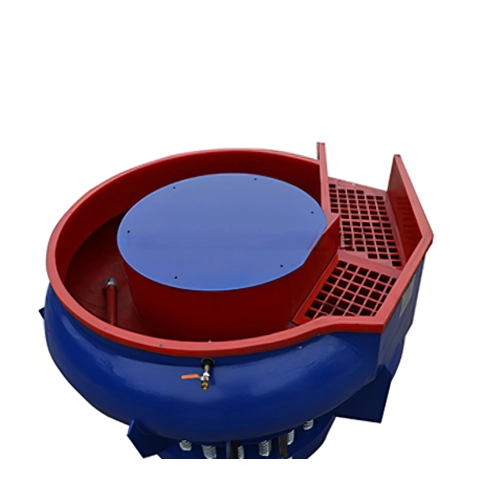
These machines come with an open tub where both the media and the workpieces are placed. The tub vibrates to cause the media to interact with the workpieces, resulting in a desired finish. They are ideal for small parts and can handle a high volume of workpieces.
Also known as vibratory bowl feeders, these machines are common in high precision industries like automotive and aerospace. They offer superior control over the finishing process and are effective in reaching small internal features of the workpieces.
Through-Feed Machines
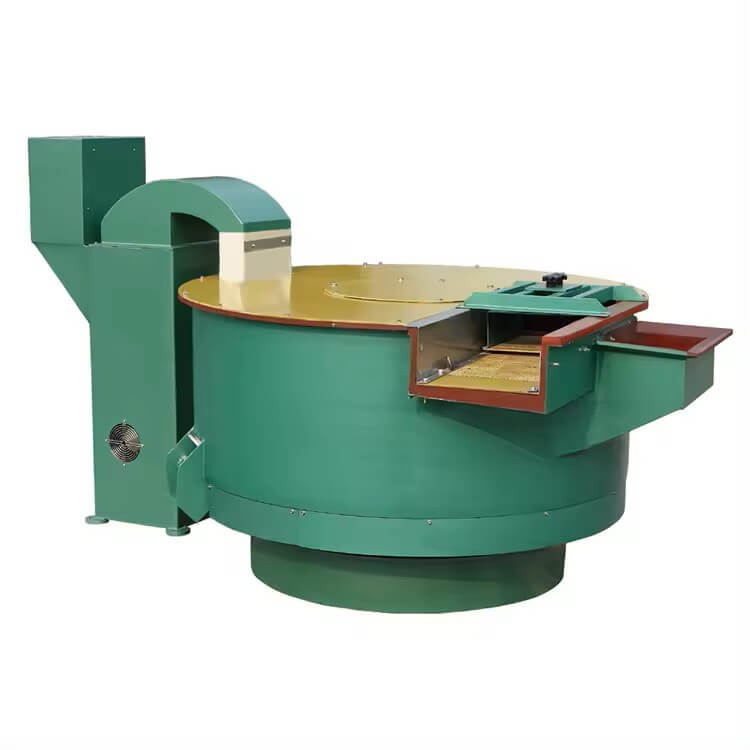
Through-feed machines are best suited for continuous processing of high volumes. Ideal for mass production environments, these machines have a conveyor system that feeds the workpieces through the machine, allowing for continuous operation and high efficiency. They are particularly useful when you need to polish large quantities of items in a short amount of time.
Here’s a quick comparison of the main types:
Type
Best For
Key Features
Bowl Vibratory
Small to medium parts
Easier to monitor, versatile
Tub Vibratory
Larger or longer parts
Handles large items, suitable for deburring
Through-Feed
High-volume, continuous process
Efficient for mass production, reduced downtime
Step 3: Evaluating the Polishing Medium
Different types of polishing media are used depending on the material and the finish required. Here are common types:
Ceramic Media
Ceramic media is durable and can be used for heavy-duty polishing and deburring. It's well-suited for metal parts.
Plastic Media
Plastic media is lighter and is often used for polishing softer metals and plastic parts. It's ideal for surfaces requiring a smoother finish.
Step 4: Evaluating Machine Features
When selecting a vibratory polishing machine, consider the following features:
Frequency and Amplitude Control
Control over vibration frequency and amplitude is crucial. Higher frequency and amplitude offer more aggressive polishing, which is ideal for tough materials requiring a high degree of finishing.
Load Capacity
Check the load capacity to ensure the machine can handle the volume of items you require to polish at a given time.
Step 5: Assess Costs and ROI
Investment in a vibratory polishing machine should be weighed against the potential return. Calculate the cost savings in labor, improved quality, and faster turnaround times.
Tips and Reminders
Checklist
Align with Business Needs: Ensure the machine matches your specific polishing requirements.
Proper Media Selection: Choose the right media for the type of materials you are working with.
Feature Evaluation: Make sure the machine has necessary features like frequency and amplitude adjustments and sufficient capacity.
Conclusion
Selecting the right vibratory polishing machine for your business involves a detailed understanding of your needs and an evaluation of the machine types, features, and costs. By carefully assessing your specific requirements for material type, edge deburring, volume, and finish, you can make an informed decision. Remember that a well-chosen machine will not only provide better finishes but also improve efficiency and reduce costs in the long run.