
Views: 141 Author: Site Editor Publish Time: 2026-01-04 Origin: Site
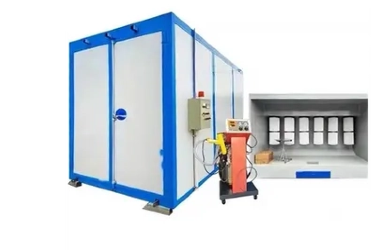
Powder coating is a modern and efficient finishing process used to apply a dry powder to a part’s surface, typically metal, to create a durable and attractive finish. Unlike traditional liquid paint, powder coating uses an electrostatic spray gun to apply the powder, which is then cured in a heating oven to form a hard, smooth, and long-lasting coating. A powder coating machine consists of various components such as the spray gun, powder booth, and curing oven, all working together to deliver a uniform and high-quality finish. The general purpose of powder coating is to provide enhanced durability, corrosion resistance, and aesthetic appeal to parts used in various industries, including automotive, architecture, consumer goods, and industrial applications. Powder coating not only improves the appearance of parts by offering a glossy or matte finish but also enhances their functionality, making them more resistant to scratching, chipping, and fading, ensuring a long-lasting, visually appealing product.
In the automotive industry, powder coating machines are widely used for coating wheels, vehicle parts, and accessories. Powder coating provides excellent durability and aesthetic appeal, making it ideal for parts exposed to harsh conditions such as dirt, moisture, and UV rays. Vehicle components like bumpers, grills, and engine parts benefit from powder coating’s corrosion resistance, scratch resistance, and long-lasting finish, enhancing both the performance and appearance of vehicles.
Powder coating machines are also heavily utilized in architectural applications for windows, doors, fencing, and metal structures. The powder coating process provides weather resistance, protecting these elements from rust, corrosion, and UV damage. Additionally, it improves the aesthetic appeal of exterior and interior metalwork, offering a variety of colors and finishes that blend seamlessly with architectural designs. Powder coating ensures long-lasting protection and a polished finish, making it ideal for buildings and outdoor structures that need both beauty and functionality.
In the consumer goods sector, powder coating machines are used to coat a wide range of products such as appliances, furniture, electronics, and decorative items. Powder coating provides enhanced durability and resistance to scratches, chipping, and fading, making it ideal for products that undergo frequent use. Items like refrigerators, washing machines, TV stands, and furniture benefit from the high-quality finish, which also offers improved design flexibility, making these products more visually appealing while maintaining long-term performance.
In industrial and manufacturing applications, powder coating machines are essential for coating and protecting machinery, tools, and equipment. These parts often experience heavy wear and corrosion, and powder coating provides a protective barrier against these factors. The coating enhances the durability and longevity of industrial equipment, ensuring that tools and machinery remain functional and corrosion-free under harsh working conditions. This type of finishing is critical for industrial components, including metal frames, structural supports, and tooling, ensuring they last longer while maintaining operational efficiency.
One of the key benefits of using a powder coating machine is the superior durability of the powder-coated finish. Powder coatings are known for their strong resistance to scratches, chipping, and fading. Unlike traditional liquid paint, which can be prone to wear over time, powder coating forms a hard, smooth, and long-lasting protective layer that enhances the surface’s ability to withstand physical stress and environmental elements. This makes powder coating ideal for parts exposed to harsh conditions, such as automotive components, outdoor furniture, and architectural elements.
Powder coating machines offer a more environmentally friendly alternative to traditional painting methods. Since the process involves applying dry powder rather than liquid paint, it produces low or zero volatile organic compounds (VOCs), which are harmful to both human health and the environment. Additionally, excess powder that doesn't adhere to the part can be captured and recycled, reducing waste and making the process more sustainable. This makes powder coating a more eco-conscious choice, especially for businesses looking to meet environmental standards and reduce their carbon footprint.
Using a powder coating machine is also cost-effective. The ability to recycle excess powder reduces material waste, ensuring that almost all of the applied powder is used effectively. Furthermore, the electrostatic application process minimizes overspray, reducing material loss. Powder coating also eliminates the need for solvents and additional touch-ups, further lowering costs. In the long run, the efficiency of powder coating machines contributes to lower production costs by improving both material usage and labor efficiency, ultimately enhancing the bottom line for manufacturers.
Powder coating also enhances the aesthetic appeal of parts. The process provides a smooth, even finish that can be customized in a wide range of colors and textures. Whether a glossy, matte, or textured finish is required, powder coating machines offer flexibility and precision in achieving the desired look. The durable finish helps maintain the part's appearance for a long time, even when exposed to challenging environmental conditions, making it ideal for products that need both functionality and design.
In the medical device industry, powder coating machines are used to provide both functional and aesthetic finishes to medical equipment. Devices such as surgical instruments, hospital furniture, and medical tools benefit from powder coating’s durability and corrosion resistance, which are essential in maintaining hygiene and ensuring the longevity of the equipment. The smooth and non-porous finish helps in cleaning and sterilization, while the coating’s resistance to wear and environmental factors ensures that the devices perform optimally over time. Additionally, powder coating offers the ability to apply a professional and attractive finish, enhancing the overall appearance of medical devices.
Powder coating is widely used in the furniture industry, especially for outdoor furniture. Powder coating machines provide weather-resistant finishes that protect against UV rays, moisture, and rust, ensuring that furniture withstands the rigors of outdoor environments. Commonly used on items such as metal chairs, tables, and benches, powder coating not only enhances the durability of the furniture but also offers a decorative finish in a wide range of colors and textures. This makes it an ideal choice for both functional and aesthetic purposes in outdoor settings, ensuring long-lasting and visually appealing furniture.
In the electronics industry, powder coating is used to provide protection and a finish for electronic components and casings. Electronic housings, such as those for computers, televisions, and appliances, benefit from powder coating's ability to protect against scratches, corrosion, and electromagnetic interference. The coating helps safeguard the electronic components from environmental damage, such as moisture or dust, and provides a smooth, high-quality finish that enhances the product's appearance. Additionally, powder coating machines help ensure that the electronics remain protected and aesthetically pleasing for longer, contributing to both functionality and design.
Powder coating machines offer several significant advantages. They provide superior durability, offering resistance to fading, scratching, and corrosion, making them ideal for parts exposed to harsh environments. The process is environmentally friendly, as it produces minimal waste and low VOC emissions compared to traditional painting methods. Additionally, powder coating ensures cost-effectiveness by reducing material waste, eliminating the need for solvents, and improving production efficiency—especially in high-volume manufacturing environments.
The curing process typically takes 10 to 20 minutes, depending on several factors such as part size, powder type, and oven temperature. The temperature in the curing oven usually ranges from 160°C to 200°C (320°F to 400°F). Larger or thicker parts may require a longer curing time to ensure the powder is properly melted and bonded to the surface. The time needed can also vary depending on the desired finish and the specific properties of the powder being used.
While powder coating is most commonly applied to metal surfaces, such as steel, aluminum, and iron, it can also be used on certain plastics and other materials. However, for non-metal materials, proper surface preparation and the use of specialized powders are required to ensure proper adhesion and a high-quality finish. This makes powder coating a versatile solution for many industries, although it is most effective on metals due to their ability to hold the electrostatic charge needed for the application process.
Powder coating offers several key benefits over traditional liquid paint. It is significantly more durable, providing stronger protection against scratches, chipping, and fading. Additionally, powder-coated surfaces are more resistant to corrosion and environmental damage, making them ideal for outdoor and heavy-use applications. From an environmental standpoint, powder coating is eco-friendly, producing minimal waste and requiring no solvents, which significantly reduces harmful emissions compared to liquid paint. This makes powder coating a more sustainable option, especially for high-volume production, offering both cost-efficiency and superior long-term performance.
In conclusion, powder coating machines offer unparalleled versatility and value across a wide range of industries, including automotive, architecture, consumer goods, and industrial manufacturing. These machines are essential for providing high-quality finishes to parts, from vehicle wheels and metal structures to appliances and electronic casings. The efficiency of powder coating machines is evident in their ability to apply durable, scratch-resistant coatings while minimizing material waste and overspray. The durability of powder-coated finishes ensures that parts remain resistant to fading, corrosion, and scratching over time, making them ideal for both aesthetic and functional applications. Additionally, the process is environmentally friendly, producing minimal VOCs, waste, and solvents, making it a more sustainable choice compared to traditional liquid painting. Powder coating machines not only improve production efficiency and cost-effectiveness but also enhance the quality and longevity of products, solidifying their importance in modern manufacturing processes.