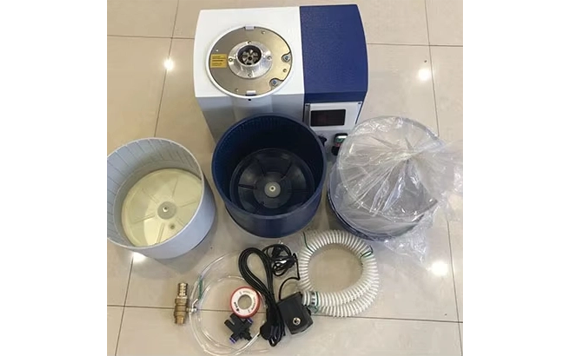
Surface finishing is a critical step in manufacturing and craftsmanship, affecting not only the appearance but also the durability and performance of metal parts. Depending on the material, shape, and intended use, different finishing methods—such as wet polishing, dry polishing, and magnetic polishing—are preferred for their unique benefits.
Wet finishing excels in removing rust, burrs, and oxidation using abrasive media combined with water and compounds. Dry finishing offers a cleaner, chemical-free approach suitable for delicate polishing and burnishing. Magnetic polishing, on the other hand, uses magnetic fields to move tiny pins rapidly around complex parts, providing precision finishing in tight spaces.
Traditionally, these methods require separate machines, which can take up significant space and increase costs. But what if there was a machine that could seamlessly switch between wet, dry, and magnetic polishing modes? Enter the 3-in-1 vibratory polishing machine—a versatile solution designed to meet diverse finishing needs in a single compact unit.
Wet Polishing Mode: Ideal for Deburring and Fine Finishing of Metal Parts
Wet polishing is one of the most widely used methods in vibratory finishing, especially effective for deburring, cleaning, and refining metal components. This mode combines abrasive media with water and specialized compounds to create a slurry that accelerates material removal and produces smooth, polished surfaces.
Why Choose Wet Polishing?
Effective Deburring: Wet polishing removes sharp edges, burrs, and excess material from machined parts, improving safety and fit without damaging the component.
Oxidation and Rust Removal: The liquid medium helps dissolve oxidation, scale, and rust, preparing parts for further processing such as plating or painting.
Even Surface Finish: The slurry of water, compound, and media ensures uniform abrasion, resulting in consistent finishes across complex geometries.
Cooling and Dust Control: The water cools parts and media during operation, preventing heat buildup that can warp delicate pieces, while also suppressing dust for a cleaner work environment.
Typical Applications
Wet polishing mode is favored in industries where high precision and surface quality are crucial:
Jewelry Manufacturing: Polishing gold, silver, and other precious metals with minimal risk of surface damage.
Automotive and Aerospace: Deburring and preparing metal components that demand tight tolerances and smooth finishes.
Metal Fabrication: Cleaning and finishing steel, brass, aluminum, and other metals for industrial and consumer products.
Media and Compounds in Wet Polishing
In wet mode, abrasive media such as ceramic, plastic, or resin are combined with water-based compounds tailored for the specific metal and finish desired. The choice of media grit and compound chemistry impacts the speed and quality of the finish.
Dry Polishing Mode: Ideal for Jewelry and Delicate Components Needing a High Luster
Dry polishing is a preferred finishing method when working with delicate parts, especially in jewelry manufacturing and precision industries where maintaining fine details and achieving a brilliant shine are essential. Unlike wet polishing, dry polishing uses dry abrasive media without any liquids or compounds, making it a cleaner and quicker alternative for certain applications.
Why Choose Dry Polishing?
Gentle on Delicate Surfaces: Without the presence of water or chemicals, dry polishing minimizes the risk of surface corrosion, discoloration, or damage, preserving intricate details.
Enhanced Luster and Shine: Dry media, often made from materials like walnut shells, corn cob granules, or fine synthetic beads, effectively burnish surfaces to a brilliant, reflective finish.
Faster Turnaround: Since no drying time is needed, parts can be processed and used immediately after polishing, improving workflow efficiency.
Dust and Waste Management: Dry polishing generates dust rather than slurry, simplifying waste handling with appropriate filtration and dust collection systems.
Common Applications
Fine Jewelry: Achieving mirror-like finishes on gold, silver, and platinum pieces without the risk of water damage.
Electronics and Watchmaking: Polishing small, precise components requiring a clean, residue-free finish.
Delicate Metal Components: Any application where gentle surface enhancement is necessary without altering dimensions or details.
Recommended Media for Dry Polishing
Typical dry polishing media include:
Walnut shells and corn cob granules: Natural media ideal for gentle burnishing and cleaning.
Plastic beads and fine synthetic media: Provide consistent polishing without aggressive abrasion, suited for sensitive surfaces.
By carefully selecting media and machine settings, dry polishing in a 3-in-1 vibratory machine offers flexibility to achieve superior finishes on delicate parts efficiently and cleanly.

Magnetic Polishing Mode: Precision Cleaning for Small Holes and Crevices
Magnetic polishing is a highly specialized finishing process designed to reach the most intricate and hard-to-access areas on small or delicate parts. This method is especially valuable in industries such as jewelry, dental, electronics, and medical devices, where parts often have tiny holes, complex shapes, and detailed surfaces.
How Magnetic Polishing Works
Unlike traditional vibratory finishing, magnetic polishing uses a magnetic field to move fine, ferromagnetic pins or media rapidly within a small chamber. The media vibrates with high intensity, creating a micro-polishing action that cleans and smooths surfaces with remarkable precision.
Advantages of Magnetic Polishing
Unmatched Precision: The tiny magnetic media can access and polish deep holes, crevices, threads, and complex geometries that conventional vibratory or tumbling machines cannot reach.
Gentle Surface Treatment: Despite its intensity, magnetic polishing is gentle enough to avoid distortion or damage to delicate parts, preserving intricate details.
Fast Processing Times: The aggressive micro-vibrations accelerate polishing, often reducing cycle times compared to traditional methods.
Minimal Media Consumption: Magnetic polishing uses small media that lasts longer and requires less frequent replacement, reducing operational costs.
Ideal Applications
Jewelry: Finishing intricate pieces with fine settings, small stones, or hollow sections that require thorough polishing.
Dental and Medical Devices: Polishing implants, surgical instruments, and other components where cleanliness and smoothness are critical.
Electronics and Precision Parts: Cleaning tiny connectors, pins, and housings where standard polishing cannot reach.
Media Types Used in Magnetic Polishing
The media typically consists of fine stainless steel pins or abrasive rods, sometimes combined with polishing powders or compounds, tailored to the specific finish required.
Benefits of a 3-in-1 Design: Space-Saving, Versatile, and Perfect for Varied Workloads
In modern manufacturing and craft workshops, efficiency and flexibility are paramount. The 3-in-1 vibratory polishing machine addresses these needs by combining wet, dry, and magnetic polishing capabilities into a single compact unit—offering multiple advantages over traditional single-function machines.
Space-Saving Solution
Workshops and production facilities often face space constraints. Instead of dedicating separate machines for wet, dry, and magnetic finishing processes, the 3-in-1 design consolidates all three into one footprint. This not only frees up valuable floor space but also reduces the need for multiple utilities like water lines or dust extraction systems.
Versatility Across Applications
With the ability to switch quickly between finishing modes, operators can handle a wide range of materials and part types without investing in additional equipment. Whether you’re polishing delicate jewelry, deburring heavy metal components, or precision-finishing medical devices, a 3-in-1 machine adapts effortlessly to diverse project requirements.
Cost Efficiency and Workflow Optimization
By eliminating the need to purchase, maintain, and operate multiple machines, the 3-in-1 system reduces capital expenditure and lowers maintenance costs. Additionally, seamless switching between modes accelerates workflow, reduces downtime, and improves overall productivity.
Ideal for Small to Medium Workshops
For small businesses, artisan workshops, and R&D labs, the compact and multifunctional nature of 3-in-1 machines provides a professional finishing solution without overwhelming operational complexity. This versatility supports varied workloads, rapid prototyping, and custom job demands with ease.
Conclusion
Choosing the right finishing equipment is essential for delivering superior quality across various materials and applications. The innovative 3-in-1 vibratory polishing machines combine wet, dry, and magnetic polishing capabilities into one versatile system—ideal for workshops and manufacturers who demand efficiency without compromising precision.
Huzhou Antron Machinery Co., Ltd.’s Eco-Maxi model is a leading solution that offers exceptional adaptability and user-friendly operation. This machine enables effortless switching between finishing modes, making it perfect for everything from delicate jewelry polishing to robust deburring and precise magnetic finishing. Its durable build ensures long-term reliability, while its compact design saves valuable workspace.
Key benefits of the Eco-Maxi include:
Seamless multi-mode finishing for diverse project needs
Consistent, high-quality surface results
Reduced investment and maintenance costs
Intuitive controls suitable for professional and small-batch use
For businesses looking to optimize their finishing workflow and enhance product quality, Antron’s Eco-Maxi stands out as a smart investment.