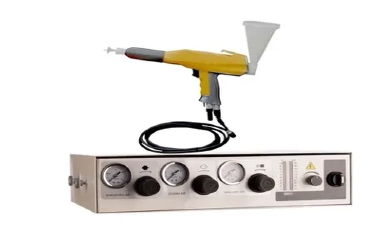
Powder coating is a modern and highly effective finishing process that involves applying a dry powder to a surface, typically metal, to create a durable, high-quality coating. Unlike traditional liquid paint, powder coating is applied using an electrostatic charge, which ensures an even and smooth finish. Once applied, the powder is cured under heat in a curing oven, bonding it firmly to the surface, resulting in a hard, protective layer that is both aesthetically pleasing and long-lasting. Powder coating machines are essential in this process, as they are responsible for applying the powder evenly and efficiently to the part’s surface. These machines use specialized spray guns to electrostatically charge the powder, ensuring optimal coverage. Compared to liquid painting, powder coating offers several advantages, including superior durability, resistance to scratches, chipping, and fading. Additionally, it is more environmentally friendly, producing no harmful solvents and generating minimal waste, making it a preferred choice for various industries such as automotive, architecture, and consumer goods manufacturing.
Working Principle of a Powder Coating Machine
1.Application Process
In the application process, powder coating begins by applying electrostatic charge to the powder. The powder, made up of pigment and resin, is sprayed onto the part using a spray gun. The gun imparts a static charge to the powder, which is then attracted to the grounded part. This electrostatic attraction ensures an even and uniform coating, reducing overspray and enhancing efficiency compared to traditional liquid painting methods.
2.Curing Process
After the powder is applied, the part is placed in a curing oven where it is heated to 160-200°C (320-400°F). The heat causes the powder to melt, bond chemically with the part, and form a smooth, hard coating. This curing process creates a durable, scratch-resistant, and long-lasting finish that adheres firmly to the surface.
3.Types of Powder Coating
There are several types of powder coatings, each offering distinct benefits:
Epoxy: Known for excellent adhesion and corrosion resistance, best for indoor applications but not suitable for outdoor use due to limited UV resistance.
Polyester: Highly resistant to UV rays, making it ideal for outdoor use, with good chemical resistance but slightly less hardness than epoxy.
Hybrid: A mix of epoxy and polyester, offering a balance of indoor and outdoor performance, excellent for a range of industrial and architectural uses.
Components of a Powder Coating Machine
1.Spray Gun
The electrostatic spray gun is a crucial component of a powder coating machine. It is responsible for applying the powder to the surface of the part. The gun uses an electrostatic charge to give the powder particles a negative charge as they are sprayed onto the grounded part. This charge attracts the powder to the surface, ensuring an even and uniform coating. The electrostatic force helps to minimize overspray and waste, allowing for a more efficient and precise application. The spray gun allows operators to control the flow and application of the powder, ensuring a high-quality finish.
2.Powder Booth
The powder booth plays an important role in maintaining a clean and controlled environment during the powder coating process. As the powder is sprayed onto the part, excess powder is captured by the booth’s filtration system, preventing it from becoming airborne. The booth helps to contain overspray, improving the efficiency of the coating process by recycling unused powder. This not only reduces material waste but also ensures that the coating process remains clean and free from contaminants that could affect the quality of the finish.
3.Curing Oven
The curing oven is essential for hardening the powder coating and ensuring its durability. After the powder is applied, the part is placed in the curing oven, where it is heated to temperatures typically between 160-200°C (320-400°F). This heat causes the powder to melt and chemically bond to the surface, creating a hard, smooth, and durable finish. The curing process is critical for achieving the desired performance characteristics, such as scratch resistance, adhesion, and UV stability. The curing oven ensures that the coating is thoroughly hardened, making it resistant to wear, corrosion, and other environmental factors.

Steps in the Powder Coating Process
1. Preparation of the Surface
Before applying the powder coating, it is crucial to clean and prepare the surface of the part. This step ensures that the powder adheres properly and evenly. Surface preparation typically involves removing contaminants such as oil, grease, dirt, rust, or old coatings. Methods such as sandblasting, chemical cleaning, or acid washing are commonly used to create a clean, roughened surface that improves the adhesion of the powder. Proper preparation is essential for achieving a long-lasting and durable finish.
2. Powder Application
Once the surface is clean and prepared, the next step is the application of the powder. This is done using an electrostatic spray gun. The gun applies a charged powder to the surface of the part, where the electrostatic force attracts the powder particles to the grounded part. This method ensures an even and uniform coating, minimizing overspray and waste. The spray gun allows the operator to control the amount of powder applied, ensuring a consistent and smooth finish across the entire surface.
3. Curing
After the powder is applied, the part is placed in a curing oven, where it is heated to temperatures typically between 160-200°C (320-400°F). This heating process causes the powder to melt and chemically bond to the surface, forming a smooth, hard, and durable coating. The heat causes the powder particles to flow and crosslink, which enhances the coating's strength, adhesion, and resistance to wear and corrosion. Curing ensures that the finish is properly hardened and can withstand harsh environmental conditions.
4. Finishing
The final step in the powder coating process is finishing, which involves inspecting the coated part for any defects or imperfections. During this stage, any touch-ups or adjustments are made to ensure the surface is flawless. This may include minor repairs, additional coating, or smoothing of uneven spots. Once the part passes the inspection and all touch-ups are completed, it is ready for use or further assembly, with the powder coating providing a durable, aesthetically pleasing finish.
Applications of Powder Coating Machines
1. Automotive
Powder coating machines are widely used in the automotive industry to enhance the durability and appearance of vehicle parts. They are commonly used to coat wheels, bumpers, grilles, and engine components, providing a smooth, durable finish that resists corrosion, scratches, and fading. The powder coating process ensures a high-quality, long-lasting finish that stands up to the demanding conditions faced by automotive parts, both on the road and in harsh environments.
2. Architectural
In the architectural industry, powder coating machines are employed to coat a variety of exterior and interior components, such as windows, doors, fencing, and railings. The durable, weather-resistant coating enhances the aesthetic appeal of buildings while providing protection against rust, UV degradation, and other environmental elements. Powder coating is ideal for metal surfaces in architecture, ensuring both functionality and style.
3. Consumer Goods
Powder coating machines are also commonly used to finish consumer goods like appliances, furniture, and electronics. Items such as refrigerators, washing machines, television stands, and computer casings benefit from the durability and attractive finish that powder coating provides. The smooth and resistant surface helps these products stand up to daily use, preventing wear and tear while enhancing their visual appeal.
Frequently Asked Questions (FAQ)
1. What is the difference between powder coating and traditional painting?
Powder coating uses a dry powder that is electrostatically applied and cured with heat, offering superior durability and environmental benefits over traditional liquid paints.
2. What types of surfaces can be powder coated?
Powder coating is typically applied to metal surfaces, such as steel, aluminum, and iron, but it can also be used on some plastics and other materials with the right preparation.
3. How long does the powder coating process take?
The process typically involves surface preparation, powder application, and curing. The curing time in the oven generally ranges from 10 to 20 minutes, depending on the part and powder type.
4. Is powder coating environmentally friendly?
Yes, powder coating is considered environmentally friendly because it produces no volatile organic compounds (VOCs) and generates minimal waste, unlike traditional liquid paints that require solvents.
Conclusion
Powder coating machines play a vital role in modern manufacturing by providing a highly effective method for achieving high-quality finishes on a wide range of materials. These machines offer superior durability, resistance to corrosion, and scratch protection, making them ideal for industries such as automotive, architecture, and consumer goods. The powder coating process is not only more efficient than traditional liquid painting, but it also produces minimal waste and emits no harmful solvents, ensuring environmental responsibility. By automating the application and curing process, powder coating machines reduce material waste, enhance operational efficiency, and improve consistency across large production runs. Ultimately, powder coating machines enable manufacturers to deliver long-lasting, aesthetically pleasing finishes while keeping production costs low and meeting modern environmental standards.