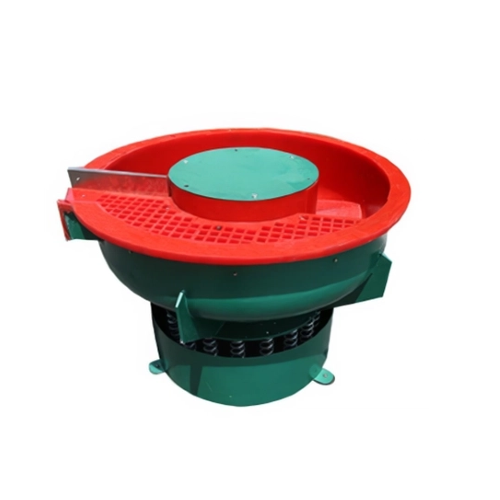
Vibratory polishing machines are essential tools used across various industries for surface finishing, deburring, and polishing. These machines rely on the movement of polishing media (wheels) that come in different forms to achieve a range of surface finishes on workpieces. The choice of the right polishing wheels is crucial for optimizing the polishing process, as the material, shape, and finish requirements of the workpiece dictate the type of wheel used. This article explores the different kinds of wheels that can be used in vibratory polishing machines, offering insights into their suitability, applications, and advantages.
Understanding Vibratory Polishing Machines
Vibratory polishing machines use a mechanical or electromagnetic system to create vibrations, causing the polishing media to interact with the workpieces. The workpieces are placed in a bowl or tub along with the media, which moves in a vibratory motion, helping to polish the surfaces. The key to achieving optimal polishing results lies in selecting the correct type of wheel (polishing media) that will complement the material and surface finish required.
How Vibratory Polishing Machines Work
Vibratory Motion: The bowl or tub is vibrated in a circular, linear, or elliptical motion, which causes the media to collide with the workpieces, gradually smoothing and polishing them.
Polishing Wheels (Media): These wheels come in various materials and forms, providing different levels of abrasiveness and flexibility to meet the needs of specific workpieces.
Workpiece Interaction: As the media vibrates, it grinds away imperfections on the workpiece surface, effectively deburring, polishing, or finishing the material.
The Role of Wheels in Vibratory Polishing Machines
The type of wheel used in the vibratory polishing machine significantly affects the outcome of the polishing process. The wheels' material, texture, and durability play a key role in determining the finish quality, speed, and efficiency of the process.
Types of Wheels Used in Vibratory Polishing Machines
Choosing the right polishing wheel is critical for achieving the desired finish, whether it is a coarse texture or a fine, smooth surface. Below are the most common types of wheels used in vibratory polishing machines.
1. Ceramic Wheels
Ceramic wheels are one of the most widely used types of polishing media in vibratory polishing machines. Made from a combination of ceramic materials and abrasives, ceramic wheels are highly effective at achieving fine finishes on a variety of workpieces.
Key Characteristics of Ceramic Wheels:
Material Composition: Made of ceramic particles bonded together with resin or other materials.
Ideal for Harder Materials: Ceramic wheels are excellent for polishing harder materials like metals, ceramics, and plastics.
Abrasiveness: Offers a moderate to high level of abrasiveness, making them effective for removing burrs, oxidation, and rough edges.
Applications of Ceramic Wheels:
Metals: Used extensively for polishing metals like aluminum, stainless steel, and titanium.
Hard Plastics: Works well with hard plastics, improving surface quality without damaging the material.
Advantages of Ceramic Wheels:
Durability: Long-lasting and can withstand prolonged use.
Efficiency: Provides consistent polishing results, especially for hard materials.
2. Plastic Wheels
Plastic wheels are softer and more flexible compared to ceramic wheels. They are typically used for polishing delicate or softer materials where abrasive action needs to be minimized.
Key Characteristics of Plastic Wheels:
Material Composition: Made of various types of plastic materials, including nylon, polyethylene, or polypropylene.
Ideal for Softer Materials: Plastic wheels are ideal for polishing softer metals and plastics.
Less Abrasive: Offers a gentler touch on the workpieces, reducing the risk of surface damage.
Applications of Plastic Wheels:
Delicate Components: Often used in applications involving delicate or precision components, such as in electronics or jewelry manufacturing.
Softer Metals: Suitable for polishing softer metals like copper, brass, or aluminum.
Advantages of Plastic Wheels:
3. Steel Wheels
Steel wheels are highly durable and abrasive, making them ideal for high-volume, industrial applications. These wheels are often used for heavy-duty polishing tasks where tough materials are involved.
Key Characteristics of Steel Wheels:
Material Composition: Made from steel or stainless steel, offering high resistance to wear.
Ideal for Heavy-Duty Polishing: Suitable for polishing tough metals, such as stainless steel and hard alloys.
Highly Abrasive: Provides strong abrasive action, effectively removing larger imperfections.
Applications of Steel Wheels:
Industrial Parts: Steel wheels are commonly used in the automotive and manufacturing industries for polishing components like gears, bearings, and engine parts.
High-Volume Production: Steel wheels are ideal for large-scale, continuous polishing operations.
Advantages of Steel Wheels:
Durability: Extremely durable and long-lasting, reducing the frequency of wheel replacement.
Heavy-duty Polishing: Effective in polishing tough and abrasive materials.
4. Rubber Wheels
Rubber wheels are often used in polishing delicate workpieces that require a gentler touch. These wheels offer flexibility and can adapt to the shape of the workpiece.
Key Characteristics of Rubber Wheels:
Material Composition: Made from natural or synthetic rubber compounds.
Ideal for Sensitive Materials: Great for polishing parts that are sensitive to abrasives or require a gentler finish.
Flexible and Gentle: Rubber wheels provide a softer, more flexible polishing action.
Applications of Rubber Wheels:
Soft Metals: Used for polishing soft metals, such as gold or silver, in jewelry production.
Sensitive Components: Ideal for polishing components that require a smooth, fine finish without damaging the surface.
Advantages of Rubber Wheels:
Gentle on Workpieces: Reduces the risk of surface damage or deformation.
Versatility: Can be used on a variety of materials, including plastics, metals, and ceramics.
5. Resin Wheels
Resin wheels are designed for fine polishing applications where a smooth, high-quality surface finish is required. They are often used for materials that need a glossy or shiny finish.
Key Characteristics of Resin Wheels:
Material Composition: Made from resin or resin-based composites with embedded abrasives.
Ideal for Fine Polishing: Resin wheels provide a fine finish, making them ideal for applications requiring a glossy surface.
Moderate Abrasiveness: Resin wheels offer moderate abrasiveness, suitable for refining and finishing workpieces.
Applications of Resin Wheels:
Advantages of Resin Wheels:
Fine Finish: Provides a smooth, glossy finish on materials.
Consistent Performance: Delivers uniform polishing results over time.
![Vibratory polishing machine]()
Factors to Consider When Choosing Wheels for Vibratory Polishing Machines
Selecting the appropriate polishing wheel depends on several factors, including the material of the workpiece, the desired surface finish, and the level of abrasiveness required. Below are key considerations when choosing the right wheel.
Factor | Ceramic Wheels | Plastic Wheels | Steel Wheels | Rubber Wheels | Resin Wheels |
Material Suitability | Hard materials (metals, ceramics) | Soft metals, plastics | Hard metals, alloys | Delicate materials, soft metals | Fine finishes, gloss |
Abrasion Level | High | Low | High | Low | Moderate |
Finish Quality | Medium to fine | Medium | Coarse to fine | Fine | High gloss |
Durability | High | Medium | Very high | Medium | High |
Ideal Application | Metal, ceramic | Plastic, soft metal | Industrial parts | Jewelry, delicate parts | Jewelry, optics |
How to Maintain Polishing Wheels in Vibratory Polishing Machines
Proper maintenance is essential to ensure the longevity and effectiveness of polishing wheels. Below are key maintenance tips for each type of polishing wheel.
Routine Maintenance Tips:
Ceramic Wheels: Regularly inspect for cracks and replace damaged wheels to maintain consistent performance.
Plastic Wheels: Clean the wheels to remove residue and prevent buildup, which can affect polishing efficiency.
Steel Wheels: Check for signs of wear and replace them when they become excessively worn or lose abrasiveness.
Rubber Wheels: Periodically check the wheels for tears or cuts that can impact their functionality.
Resin Wheels: Keep resin wheels clean and free from debris, as buildup can reduce their effectiveness.
When to Replace Polishing Wheels:
Polishing wheels should be replaced when they show signs of significant wear or when they no longer produce the desired finish quality. Regular inspections help determine when it’s time to replace the wheels.
Conclusion
Choosing the right wheels for a vibratory polishing machine is crucial for achieving the desired surface finish and ensuring optimal performance. Ceramic, plastic, steel, rubber, and resin wheels each offer unique advantages, making them suitable for various applications, from fine jewelry polishing to heavy-duty industrial parts and delicate components. Understanding the characteristics of each wheel type helps manufacturers make informed decisions tailored to their specific needs.
At Huzhou Antron Machinery Co., Ltd., we specialize in providing high-quality vibratory polishing machines and a wide range of polishing media to ensure superior surface finishes. Our expert team can help you select the most suitable polishing wheels for your application, ensuring efficient and effective polishing results. Whether you are working with intricate jewelry, industrial parts, or soft materials, we offer customized solutions that cater to your unique requirements.
For more information or to discuss your specific polishing needs, we invite you to get in touch with us. Our team is ready to assist you in optimizing your polishing process for maximum efficiency and quality.
FAQs
1. What materials are ceramic wheels best suited for in vibratory polishing?
Ceramic wheels are ideal for polishing hard metals, ceramics, and plastics due to their abrasive nature.
2. Can plastic wheels be used for polishing metals?
Yes, plastic wheels are suitable for polishing softer metals but are not as effective for hard metals due to their lower abrasiveness.
3. How do I know which wheel type to choose for my vibratory polishing machine?
The type of wheel depends on the material of your workpieces and the finish quality you require. Hard materials typically need ceramic or steel wheels, while delicate materials are better polished with plastic or rubber wheels.
4. How often do polishing wheels need to be replaced?
The replacement of polishing wheels depends on usage and wear. It’s important to regularly inspect the wheels and replace them when they become worn or damaged.
5. Are there any specific wheels for high-volume polishing in industrial settings?
Yes, steel and ceramic wheels are commonly used for high-volume industrial polishing due to their durability and abrasive qualities.