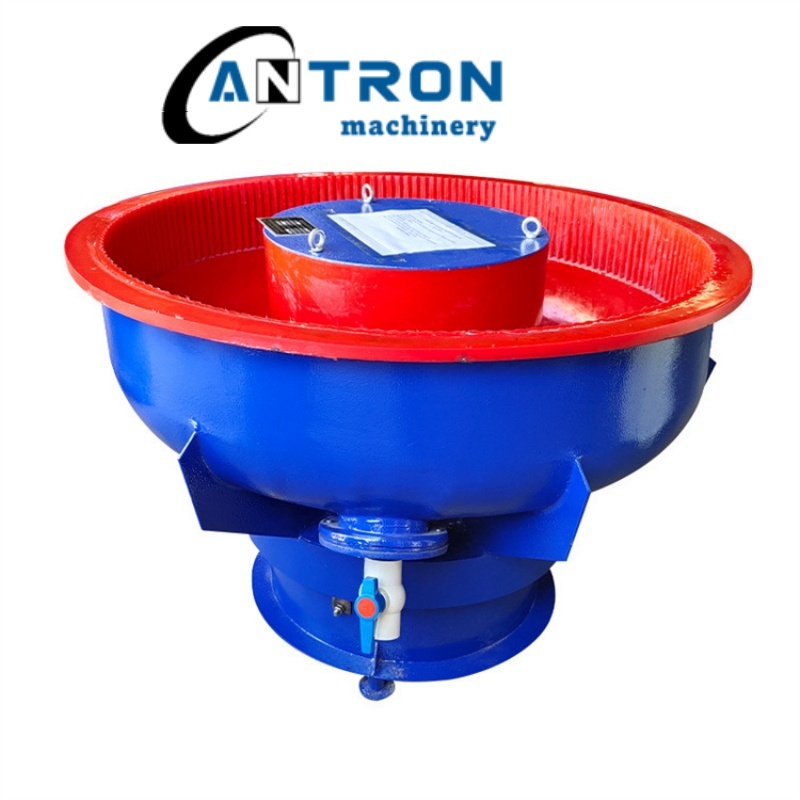
Upgrading or integrating a new finishing system represents a significant capital decision for any operation. This choice directly dictates part consistency, labor costs, and ongoing production bottlenecks. Moving past basic definitions is essential for modern manufacturing facilities. Industrial buyers need equipment aligning precisely with required cycle times. They must handle specific payload capacities without straining motors or breaking down. These systems also require seamless integration into your existing operational workflows.
Relying on outdated manual methods slows down daily production immensely. It increases scrap rates and drives up labor bloat unnecessarily. Manual deburring relies entirely too much on varying operator skill levels. This variability severely harms your overall quality control metrics. This guide breaks down the essential technical criteria you need for success. We explore hidden operational expenses and critical risk-mitigation strategies.
You will learn how to evaluate and shortlist the right solutions. We guide you through matching machine architecture to unique part geometries. You will clearly understand the engineering specs driving actual long-term value. By following these steps, you can confidently modernize your surface processing operations. We want you to avoid common purchasing pitfalls effectively.
Key Takeaways
Machine selection must be dictated by part geometry, daily volume, and automation requirements, not just baseline capacity.
Polyurethane (PU) lining quality and motor durability are the two most critical indicators of equipment lifespan and maintenance frequency.
Never finalize a purchase without requiring the manufacturer to run a sample processing trial on your actual parts.
Assessing Bottlenecks: When to Upgrade Your Vibratory Finishing Setup
Evaluate your current business problems before looking at sales brochures. Look closely at your manual deburring processes today. Determine if outdated tumblers cause unacceptable scrap rates across shifts. Inconsistent finishes often lead to frustrating customer rejections and rework. Labor bloat is another common indicator of failing internal processes. Workers spending hours hand-finishing parts wastes immense amounts of money.
Upgrading becomes entirely necessary when manual methods fail strict production demands. Modern systems offer highly repeatable, accurate surface results. They free up your valuable workforce for more important factory tasks. Next, define what a successful implementation looks like practically. Framing success criteria is strictly crucial for calculating a return on investment.
For example, aim to reduce total cycle time by exactly 20 percent. You might need to achieve a specific Ra surface roughness consistently. Automating the part-media separation process remains a highly common upgrade goal. Clear targets prevent you from buying unnecessary, overly expensive features. They keep your purchasing project highly focused and strictly measurable.
Assess your batch versus mass production realities honestly. Compare your current throughput against realistic future volume projections. A simple batch setup works perfectly for low volume runs. However, growing facilities hit these capacity limits very quickly. An automated, continuous feed system handles higher daily demands easily. You must align your equipment with expected future business growth. This foresight prevents immediate operational bottlenecks upon installation. It also prevents buying massive systems for tiny, infrequent production runs.
Solution Categories: Selecting the Right Machine Architecture
Selecting the right architecture is critical for maintaining process stability. Every facility has unique geometric requirements strictly driving this choice.
Vibratory Bowl Finishers
These machines are excellent for versatile, high-mix production environments. They handle various shapes and sizes without constant, frustrating reconfiguration. Bowl finishers are particularly useful for their built-in separation functions. Internal decks sift parts from media automatically after processing completes. This feature saves immense manual labor during heavy unloading phases. However, they do have distinct physical size limitations. The circular channel restricts the maximum length of processed parts. Very long components will jam or sustain edge damage inside. They simply cannot navigate the curved walls effectively.
Rectangular Tub Vibratory Machines
Tub designs cater to completely different component geometries entirely. They are best for long, bulky, or highly fragile components. Common examples include aerospace spars and long automotive camshafts. You can easily install polyurethane chamber dividers inside the main tub. These dividers prevent part-on-part impingement during aggressive tumbling cycles. They protect delicate surfaces while maintaining strong abrasive cutting action. A key limitation involves the physical unloading process itself. Tubs typically require manual or external mechanical unloading systems. They also demand a significantly larger factory floor footprint.
Continuous Vibratory Finishing Systems
These systems handle high-volume mass production perfectly. They offer uniform cycle times using strict first-in, first-out processing logic. Parts enter one end and exit the other continually. This completely eliminates annoying batch loading and unloading delays. The main limitation is a substantially higher initial capital expenditure. They are also much less flexible for quick, custom runs. Low-volume, high-mix facilities struggle to utilize them efficiently. They require constant part feeding to justify their upfront cost.
Let's compare these architectures in a simple summary chart.
Machine Type
Best Used For
Primary Limitation
Automation Readiness
Bowl Finisher
High-mix, small to medium parts
Circular channel limits maximum part length
High (built-in separation decks)
Rectangular Tub
Long, bulky, or fragile components
Manual unloading required, large floor footprint
Low to Medium
Continuous System
High-volume, uniform mass production
High CapEx, low processing flexibility
Very High
Critical Evaluation Dimensions: Engineering Specs That Drive ROI
Focusing on strict engineering specifications ensures long-term operational reliability. You cannot evaluate a heavy machine purely on its exterior paint job.
Motor Quality and Drive Systems
The motor acts as the beating heart of any finishing equipment. Look for heavy-duty, customized vibration motors primarily. Manufacturers must design them specifically for continuous, brutal industrial stress. Standard commercial motors fail incredibly quickly under constant mechanical vibration. Bearings shatter and electrical windings burn out without proper reinforcement. Ensure the inclusion of Variable Frequency Drives (VFD) always. VFDs allow you to adjust amplitude and frequency easily via control panels. You can tailor the vibration energy based on specific part fragility. Different processing stages often require vastly different mechanical energy levels.
Wear Components & Lining Integrity
The main work chamber lining endures constant, aggressive media abrasion. Evaluate the overall thickness of the Polyurethane (PU) lining thoroughly. Check the specific Shore hardness rating carefully before buying. Thicker, high-grade hot-poured PU is an absolute operational requirement. It powerfully resists tearing and premature wear from sharp part edges. Quality lining significantly delays highly expensive, time-consuming relining procedures. Cheaper, cold-poured alternatives degrade rapidly under heavy daily use. They force you into unwanted downtime and sudden maintenance costs. Chemical resistance is another crucial lining factor to verify beforehand.
Automation and Discharge Features
Assess integrated separation screens and pneumatic discharge flaps closely. These features automate the heaviest manual labor tasks effectively. Look closely for reverse-discharge capabilities on bowl models. Reversing the flow helps clear stubborn parts from the dense media mass. Evaluate compatibility with secondary automation systems early on. You might need to add conveyors or magnetic separators months later. Automatic media return systems drastically reduce daily operator fatigue. A reliable vibratory finishing machine accommodates these upgrades seamlessly.
Acoustic and Environmental Compliance
Industrial vibration generates significant, sustained background noise. Specify acoustic noise-reduction covers during the initial purchasing phase. These heavy covers help meet OSHA workplace noise limits reliably. They often keep operational noise strictly below 80 to 85 dB. Protecting worker hearing remains a strict legal requirement globally. Built-in sound suppression prevents the need for expensive aftermarket enclosures. It also actively creates a safer, less stressful factory working environment.
Media, Compounds, and Effluent: Uncovering Hidden Operational Costs
Consumables and waste management drive massive ongoing operational expenses. Many buyers completely ignore these factors until the monthly bills arrive.
Matching Media to Machine
You must perfectly match your selected media to your equipment design. Ensure the machine drain systems fit your required media size. Screen sizes must separate finished parts without trapping small media pieces. Ceramic, plastic, steel, or organic materials behave entirely differently inside the bowl. Account for distinct media wear rates during initial budgeting. Consider exactly how the machine facilitates fresh media top-ups. Fast-wearing media requires frequent replenishment to maintain process stability.
Here are essential best practices for proper media handling:
Select media slightly larger or smaller than part holes to prevent lodging.
Monitor media degradation weekly to maintain highly consistent cutting action.
Top off media levels regularly rather than waiting for massive drop-offs.
Store different media types in strictly labeled, dry bins to avoid cross-contamination.
Flush media thoroughly with clean water between processing highly contrasting metal batches.
Compound Dosing Systems
Compounds clean parts, suspend dirt, and actively inhibit rust. Look for machines utilizing integrated, fully automated dosing pumps. Manual pouring by operators leads to wildly inconsistent daily results. Automated pumps ensure highly consistent water-to-compound ratios hourly. Proper chemical dosing prevents sudden flash corrosion on sensitive metal parts. It also stops excess foam from overflowing the processing bowl. Too much foam dampens the necessary vibratory cutting action significantly.
Wastewater Handling
Mass production focuses heavily on proper, legal effluent treatment. Evaluate how the equipment integrates with modern wastewater systems. Industrial vibratory finishing generates heavy sludge and abrasive metal fines. You absolutely cannot dump this untreated effluent down municipal drains safely. Strict environmental regulations mandate compliant, verifiable water discharge mechanisms. Many facilities use specialized closed-loop recycling systems now. These systems aggressively filter the water and return it to the machine. They drastically reduce municipal water consumption and guarantee environmental compliance.
Mitigating risk during the buying process saves massive operational headaches later. Do not leave final integration details to the very last minute.
The Sample Testing Mandate
Never buy heavy equipment based solely on a glossy sales brochure. Only shortlist manufacturers eagerly willing to process a physical sample batch. Send them your actual raw, unfinished production parts. Require a highly detailed process report in return before proceeding. The report must detail the exact cycle time achieved during testing. It should list the specific media type and compound formulation used. Final finish metrics, like exact Ra measurements, are completely mandatory. This trial physically proves the machine can perform the required job.
Assessing Manufacturer Reliability
Investigate the realistic availability of spare parts locally. You need immediate, local access to replacement motors, springs, and separation screens. Shipping heavy parts from overseas causes massive, costly production delays. Review the warranty terms specifically concerning common wear items. Structural and electrical components usually carry much longer, standard warranties. PU linings remain standard wear items and have distinct coverage limits. Understand these important differences clearly before signing any final purchasing contract.
Facility Integration Risks
Audit your available factory floor space before finalizing any machine dimensions. Remember to account for safe maintenance access around the entire equipment perimeter. Check your factory power supply drops and plumbing configurations thoroughly. Ensure you have the exact required voltage and amperage available nearby. Clean water supply and proper wastewater drainage must sit close by. Plan for comprehensive operator training immediately upon system installation. Workers must thoroughly understand subtle frequency adjustments and daily media maintenance. Improper daily operation ruins expensive parts and permanently damages the machine.
Conclusion
Selecting the ideal equipment requires balancing upfront structural durability with long-term automation capabilities.
Consumable costs dictate the ongoing financial viability of the entire surface finishing process.
Audit your current part volumes and strictly document precise finish specifications immediately.
Contact qualified manufacturers directly to initiate a rigorous sample testing process today.
Plan your exact facility layout and utility connections well before the heavy machine arrives.
Train your operators comprehensively to maximize equipment lifespan and daily production efficiency.
FAQ
Q: What is the typical lifespan of the PU lining in an industrial vibratory finishing machine?
A: It depends heavily on media type and daily run hours. High-quality hot-poured PU typically lasts three to five years. This assumes standard single-shift conditions using non-aggressive media. Highly abrasive ceramics or continuous multi-shift operations shorten this lifespan significantly. Regular visual inspections help identify wear patterns before the metal bowl sustains actual damage.
Q: How do I calculate the working capacity needed for my parts?
A: A standard rule of thumb involves a 3:1 to 4:1 media-to-part ratio by volume. The total combined mass including parts and media must never exceed the machine's strict motor load rating. You should typically only fill the bowl to 70 or 80 percent of its total volume for optimal tumbling action.
Q: Can a bowl finisher be upgraded to an automated system later?
A: Base models lacking internal rise steps or separation flaps remain very difficult to automate later. Adding these features requires highly extensive, costly structural modification. It is highly recommended to purchase a machine with an internal separation deck initially. This makes future automation integration much simpler and far more cost-effective.
Q: Why is my vibratory finishing machine processing parts too slowly?
A: Slow processing is usually caused by worn motor weights or strictly incorrect amplitude settings. Degraded media losing its sharp cutting edge is another frequent culprit. Improper compound flushing can also leave a slick residue, drastically reducing friction. Utilizing a Variable Frequency Drive (VFD) helps troubleshoot and optimize these specific processing variables efficiently.