Metal finishing is a vital process that significantly impacts the final quality, appearance, and performance of metal products across various industries. Whether it’s automotive, aerospace, electronics, or construction, the surface finish of metal parts not only defines their aesthetic appeal but also their functional durability and reliability. Achieving a flawless surface finish requires precision and consistency, which manual polishing often struggles to provide.
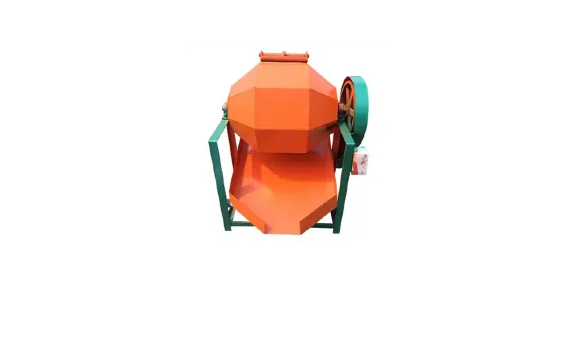
This is where polishing machines come into play. These machines have transformed metal finishing industries by automating and refining the polishing process. Through their advanced technology, polishing machines offer unparalleled surface quality, faster production rates, and improved workplace safety. Understanding their role and benefits helps manufacturers and workshops stay competitive in the demanding global market.
What is Polishing in Metal Finishing?
Polishing is the process of smoothing and refining the surface of metal components to enhance their appearance and performance. This involves removing microscopic surface defects such as scratches, burrs, oxidation, and scale using abrasive materials and polishing compounds. The result is a smooth, shiny surface that reflects light uniformly and meets precise engineering standards.
The significance of polishing goes beyond aesthetics. A properly polished surface can resist corrosion better, reduce friction in moving parts, and improve fatigue strength — the ability of metal to withstand repeated stresses without failure. For example, polished engine components generate less heat and wear, directly affecting vehicle efficiency and lifespan.
While manual polishing techniques have been widely used for decades, they have several limitations. Skilled labor is required, and results can vary depending on the operator’s experience and fatigue levels. Manual polishing is also laborious, slow, and difficult to standardize across large production volumes. In contrast, polishing machines bring repeatability and automation to the process, ensuring every component is polished to exact specifications with minimal human intervention.
![polishing machine]()
Why Polishing Machines are Essential in Metal Finishing Industries
1. Consistency and Precision
Achieving uniform surface finish quality is one of the biggest challenges in metal finishing. In manual polishing, inconsistencies arise due to operator variability — changes in pressure, polishing angle, speed, and abrasive application can result in uneven finishes. Such inconsistencies can lead to product defects, customer dissatisfaction, and increased rework costs.
High-efficiency polishing machines address this by offering precise control over key polishing parameters. For instance, they can maintain consistent pressure throughout the polishing cycle, control the speed of polishing heads or belts, and use standardized abrasive media. This ensures that every metal part receives identical treatment, eliminating quality variations.
Industries such as aerospace and medical device manufacturing demand micro-level surface finish tolerances where even slight deviations can compromise safety and performance. Polishing machines equipped with programmable controls and sensors meet these requirements, producing ultra-smooth surfaces free from microscopic defects. This level of precision is nearly impossible to achieve consistently with manual methods.
2. Increased Production Efficiency
Manual polishing is inherently time-consuming, requiring operators to spend hours on each part, especially when high-quality finishes are needed. This limits production capacity and drives up costs, particularly for large-volume orders.
Polishing machines revolutionize efficiency by automating repetitive polishing motions and enabling batch processing. Some machines can polish dozens or even hundreds of small parts simultaneously, such as fasteners or jewelry components, using vibratory or centrifugal finishing techniques. Larger polishing machines can handle bulky parts like automotive panels or aerospace components with minimal operator intervention.
Automation also reduces polishing cycle times drastically. Processes that took several hours manually can be completed in minutes, allowing workshops to meet tight deadlines and increase order throughput. The ability to run machines continuously, including overnight shifts, maximizes equipment utilization and shortens delivery lead times.
Moreover, faster production translates into reduced work-in-progress inventory and improved cash flow for manufacturers, essential for maintaining competitiveness in global markets.
3. Enhanced Surface Quality and Performance
The quality of the polished surface impacts more than just looks. It affects how metal parts perform under mechanical and environmental stresses. Rough surfaces tend to accumulate dirt, moisture, and corrosive agents, accelerating wear and rust. In contrast, smooth polished surfaces reduce friction between moving components, minimize stress concentration points, and offer better resistance against oxidation and corrosion.
Polishing machines allow manufacturers to achieve a variety of finishes tailored to specific applications. For example:
Mirror finish: Highly reflective, used in decorative and precision engineering parts.
Satin finish: Matte appearance, reducing glare for aesthetic or functional purposes.
Textured finish: Controlled surface roughness to improve paint adhesion or grip.
The ability to replicate these finishes consistently enhances product reliability and extends service life. In automotive engines, for example, polished cylinder heads improve airflow and fuel combustion efficiency, boosting performance and reducing emissions. In surgical instruments, polished surfaces reduce bacterial adhesion, improving sterilization effectiveness.
4. Labor Cost Reduction and Workplace Safety
Polishing is traditionally a physically demanding and repetitive task. Manual polishers often face health risks such as musculoskeletal disorders, skin irritation from chemicals, and respiratory problems due to dust exposure. Moreover, maintaining a skilled polishing workforce is challenging, with training costs and turnover adding to operational expenses.
High-efficiency polishing machines alleviate these issues by automating most of the labor-intensive steps. Operators transition from performing repetitive polishing to overseeing machine operation and quality control, reducing physical strain and injury risks.
Modern polishing machines also come with integrated dust extraction systems, noise reduction features, and safety guards, creating a safer and more comfortable working environment. Compliance with workplace safety regulations is easier, which helps avoid fines and enhances company reputation.
By cutting labor costs and improving safety, polishing machines deliver significant operational savings and promote workforce wellbeing.
5. Versatility in Handling Complex and Delicate Parts
As product designs become more complex and lightweight materials like aluminum alloys and composites gain popularity, polishing requirements become more demanding. Many components have intricate geometries, thin walls, or delicate surfaces that are difficult to polish manually without damage.
Polishing machines equipped with multi-axis movement, robotic arms, and customized tooling can polish complex shapes uniformly without applying excessive force. This flexibility expands manufacturers’ capabilities to produce innovative products that meet high standards.
For instance, aerospace turbine blades have curved surfaces and cooling holes that require uniform polishing to prevent stress concentrations. Robotic polishing systems programmed with 3D models can execute precise polishing paths, ensuring every nook and cranny is treated equally.
This ability to handle complex parts reduces scrap rates and opens new business opportunities in high-tech industries.
Types of Polishing Machines Used in Metal Finishing Industries
Understanding the types of polishing machines available helps manufacturers select the right equipment for their applications.
Belt Polishers
Belt polishing machines are among the most common. They use continuous abrasive belts to grind and polish metal surfaces. The belts come in varying grit sizes, allowing coarse material removal followed by fine polishing.
These machines are ideal for flat or slightly curved surfaces such as sheet metal, automotive panels, and tool parts. Belt polishers offer high material removal rates, making them suitable for deburring as well.
Orbital and Rotary Polishers
Orbital polishers provide a gentle, oscillating motion that reduces heat buildup and risk of uneven polishing. This makes them suitable for delicate finishes and parts with irregular shapes.
Rotary polishers spin the polishing head in a circular motion at high speeds, ideal for achieving mirror-like finishes on flat or rounded surfaces.
Vibratory Polishers
Vibratory polishing machines use high-frequency vibration to move abrasive media and parts inside a bowl or tub. This action polishes multiple small parts simultaneously with minimal operator input.
Vibratory polishing is efficient for mass finishing of fasteners, jewelry, and small machined components.
Robotic Polishing Systems
Robotic polishing systems integrate automated polishing heads with robotic arms and vision systems. They provide exceptional precision and repeatability, ideal for complex and high-value components.
By programming precise polishing paths and force control, robots can handle a wide variety of parts with minimal human supervision.
Conclusion
The role of polishing machines in metal finishing industries is indispensable. They provide consistency, efficiency, enhanced surface quality, labor savings, and safety improvements that manual polishing cannot match. By investing in the right polishing machine, workshops and manufacturers can boost production capacity, reduce costs, and deliver superior products that meet the strict demands of today’s markets.
For companies looking to upgrade their metal finishing processes, exploring advanced polishing machines from reliable suppliers is a critical step. Visit www.antronmachinery.com to learn more about the latest polishing machines and how they can transform your metal finishing operations.