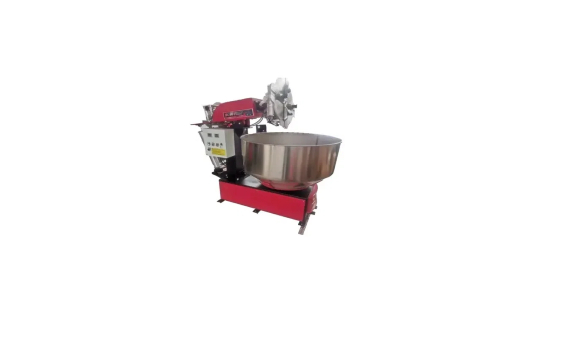
In the world of industrial surface finishing, vibratory polishing machines have become indispensable. They offer precision, consistency, and high-volume efficiency that manual polishing or traditional tumbling processes cannot match. Whether your goal is deburring, surface smoothing, polishing, or edge rounding, the effectiveness of a vibratory polishing machine largely depends on one critical element—the media you choose.
Polishing media acts as the agent that interacts with your parts inside the vibratory bowl or tub. It is responsible for the physical contact that removes burrs, polishes surfaces, and achieves the desired finish. However, choosing the wrong type or size of media can lead to suboptimal results, increased processing time, or even damage to delicate parts.
In this comprehensive guide, we will explore the key factors that influence media selection, the types of media available, and practical tips to help you choose the best media for your specific vibratory polishing needs. If you're looking to enhance your finishing quality, increase efficiency, and reduce material waste, understanding media selection is essential.
![vibratory polishing machine]()
Why Media Selection Matters
Many first-time users of vibratory polishing machines underestimate the importance of media choice. However, media is not a one-size-fits-all component. Each type, size, shape, and composition of media influences:
Surface finish quality
Cycle time
Media wear and consumption rate
Compatibility with different materials (e.g., aluminum, brass, stainless steel, plastic)
Possibility of lodging or jamming in part geometries
By selecting the right media, manufacturers can maintain consistent quality, reduce downtime, and save operational costs over time. This is especially important in industries such as aerospace, automotive, and medical device manufacturing, where even minor surface imperfections can result in part rejection.
Understanding the Function of Polishing Media
The media in a vibratory polishing machine acts like thousands of small tools. When vibrated, the media rubs, grinds, or polishes the part surfaces through contact. Depending on the shape and composition of the media, this interaction may be aggressive—ideal for heavy burr removal—or gentle for final finishing or polishing.
In wet polishing operations, media works together with water and compounds to further enhance results. In dry applications, especially when working with soft or delicate materials, specially formulated dry media is used.
Because of its mechanical role, choosing the wrong media can either underperform or become too aggressive, potentially ruining parts. That’s why media selection is not just a step in the process—it’s a cornerstone of success.
Types of Media for Vibratory Polishing Machines
There are several main types of media used in vibratory polishing machines, each with specific benefits and applications. Understanding their properties can help you make the right choice.
Ceramic Media
Ceramic is the most commonly used polishing media due to its hardness, durability, and versatility. It is ideal for deburring hard metals such as steel, iron, and titanium. Ceramic media comes in various shapes like cylinders, triangles, or cones and is available in different abrasive grades, ranging from fast-cutting to ultra-fine.
Plastic Media
Plastic media is lighter than ceramic and produces a smoother finish with less cutting action. It is particularly useful for softer metals such as aluminum, brass, and zinc. Plastic media is often used when there is a need to avoid surface scratching while still removing burrs or preparing a part for coating.
Steel Media
Steel media is used when burnishing or polishing to a bright, mirror-like finish is required. This media is heavier and applies a peening action, which compacts the surface material and increases its shine. Commonly used in jewelry, firearms, and precision instrument industries, steel media is reusable and long-lasting but not suited for aggressive cutting.
Organic and Specialty Media
For dry polishing or very soft workpieces, organic materials such as corn cob and walnut shell media are ideal. These materials are gentle and suitable for light polishing or drying after wet processes. Specialty media formulations also exist for specific materials or finishes, including polishing compounds embedded in the media itself.
Factors to Consider When Choosing Polishing Media
Choosing the right media for your vibratory polishing machine involves evaluating several key factors that depend on your part type, finish requirements, and processing environment.
Material Compatibility
Different media react differently to various materials. Using aggressive ceramic on soft aluminum can cause unwanted scratches, while using soft plastic media on hardened steel may not achieve the desired result. Knowing the material composition of your parts is crucial before media selection.
Shape and Size of Media
The geometry of your workpieces will determine the best shape and size of the media. Intricate or detailed parts with holes or narrow channels require small, pointed media to access tight spaces. At the same time, too-small media can lodge into holes, creating delays. For flat or large surfaces, larger media with wide contact areas is more efficient.
Surface Finish Goal
Are you looking to deburr, smooth, polish, or burnish? Coarse ceramic media is ideal for aggressive material removal, while plastic or steel media is better for final surface smoothing or bright polishing. Matching your goal to the right media type ensures optimal results.
Cutting Speed and Abrasive Grade
Fast-cutting media may reduce cycle time but can wear faster or produce rougher surfaces. A slower-cutting, finer-grade media may require more time but delivers a superior finish. Testing and balancing speed versus quality is essential.
Media Longevity and Cost Efficiency
Media durability and wear rate also influence operational cost. Ceramic and steel media typically last longer but may cost more upfront. On the other hand, plastic and organic media wear out faster but may be preferable for sensitive parts. Choosing high-quality media also minimizes waste and machine downtime due to media breakdown.
Wet vs. Dry Applications
If your vibratory polishing machine is used in a wet process, most media will work effectively when paired with appropriate compounds. However, for dry finishing, specific media like walnut shell or treated corn cob should be selected to avoid dust and maintain consistent results.
Testing and Media Trials
Even with these guidelines, it’s always advisable to conduct a media trial before full-scale production. Many reputable polishing machine manufacturers or media suppliers offer sample testing services. By sending a few of your parts for trial, you can evaluate surface finish, media wear, cycle time, and potential issues such as media lodging or staining.
Testing also helps determine the best compound to use alongside your media, especially in wet processes. Compound and media interaction directly affects cleanliness, lubrication, and polish quality.
Maintenance and Media Management
Media performance doesn’t stop at selection—it also requires proper maintenance. Over time, media can become worn, contaminated, or rounded, reducing its effectiveness. Regular screening, cleaning, and replenishment are essential.
Mixing fresh media with used media can help maintain consistent results over long production cycles. It’s also important to follow proper storage practices to prevent moisture absorption or compound residue buildup, which can affect vibratory performance.
Partnering with the Right Manufacturer
Selecting the right vibratory polishing machine is just as important as selecting the right media. At Antron Machinery, we specialize in providing custom finishing solutions tailored to your production needs. Our polishing machines are compatible with a wide range of media and support both wet and dry operations. Whether you're working with delicate components or heavy-duty materials, we can help you choose the perfect combination of machine, media, and process compound to ensure optimal results.
Our expert team offers free consultation, sample testing, and after-sales support to ensure that your polishing process remains efficient, consistent, and scalable. Visit our website to learn more about our full range of polishing and finishing solutions.
Conclusion
The success of your vibratory polishing process depends greatly on selecting the right media. From material compatibility to shape, size, and finish requirements, each factor plays a critical role in determining polishing quality and operational efficiency. By understanding these variables and testing media thoroughly, you can enhance surface consistency, reduce costs, and improve production throughput.
A well-matched vibratory polishing machine and media pairing doesn’t just improve product appearance—it also drives better performance, customer satisfaction, and long-term profitability. With the right strategy and expert guidance, your finishing operations can reach new levels of precision and productivity.
For customized polishing solutions and professional advice, visit www.antronmachinery.com and connect with our team of finishing specialists today.