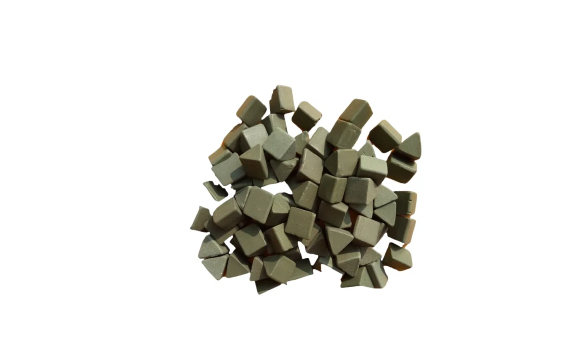
In the world of industrial finishing, polishing media play a crucial role in determining the quality, efficiency, and consistency of surface finishing processes. Among the various types of polishing media available, ceramic and plastic are two of the most commonly used options. Both have distinct characteristics and applications, and choosing between ceramic and plastic polishing media can significantly impact the outcome of your finishing operations.
This article will provide an in-depth comparison between ceramic and plastic polishing media, exploring their composition, properties, advantages, disadvantages, and ideal applications. By understanding the differences, manufacturers can make more informed decisions to optimize their finishing processes and achieve superior product quality.
What Is Polishing Media?
Polishing media refers to the materials used inside tumblers, vibratory finishers, or other finishing machines to polish, deburr, clean, or smooth workpieces. These media interact physically with the surface of parts to remove burrs, improve surface texture, or prepare surfaces for further processing such as painting or coating.
Polishing media come in various shapes, sizes, and materials, including ceramic, plastic, steel, organic, and synthetic types. Among these, ceramic and plastic polishing media are most widely adopted in metal finishing due to their versatility and effectiveness.
![polishing media]()
Composition and Characteristics of Ceramic Polishing Media
Ceramic polishing media are typically made from a mixture of clay, feldspar, quartz, and abrasive materials such as aluminum oxide or silicon carbide. This combination creates a dense, hard, and abrasive media that excels at material removal.
The key characteristics of ceramic polishing media include:
Hardness and Durability: Ceramic media are highly durable and capable of maintaining their shape and abrasive qualities over long cycles.
High Abrasiveness: They provide aggressive cutting action, making them suitable for deburring and edge rounding.
Heat Resistance: Ceramic media can withstand higher temperatures generated during the polishing process without degrading.
Variety of Shapes: They come in various shapes, including triangles, cones, cylinders, and pyramids, designed to access different part geometries.
Heavy Weight: Their density provides strong mechanical action during tumbling or vibratory finishing.
Due to these properties, ceramic polishing media are ideal for tough metals such as stainless steel, carbon steel, and cast iron. They effectively remove burrs and scale while producing consistent surface finishes.
Composition and Characteristics of Plastic Polishing Media
Plastic polishing media, often made from polyester resin mixed with mild abrasive particles, are lighter and less abrasive than ceramic media. They are designed to polish surfaces gently without causing excessive material removal.
Key characteristics of plastic polishing media include:
Lightweight: Plastic media have lower density, resulting in gentler finishing action.
Moderate Abrasiveness: They provide enough abrasion to smooth surfaces and remove light burrs but are less aggressive than ceramic media.
Flexibility: Plastic media are slightly flexible, which helps prevent surface damage on delicate or soft materials.
Variety of Shapes: Plastic media are available in diverse shapes such as triangles, cones, and pyramids, suitable for various finishing needs.
Color Coding: Plastic media often come in different colors to indicate abrasive level and media type for easy identification.
Plastic polishing media are suitable for softer metals like aluminum, brass, and zinc alloys. They are commonly used in applications where surface preservation is critical, such as in decorative parts or light deburring.
Performance Comparison: Ceramic vs Plastic Polishing Media
Understanding the differences in performance between ceramic and plastic polishing media helps determine which is better suited for your specific finishing requirements.
1. Abrasiveness and Material Removal
Ceramic polishing media deliver higher abrasive force, making them more efficient in removing heavy burrs, scale, and surface imperfections. They are ideal for initial deburring and rough finishing stages where significant material removal is necessary.
Plastic polishing media provide moderate abrasion and are more appropriate for secondary finishing, light deburring, and smoothing operations where preserving part dimensions and surface integrity is essential.
2. Surface Finish Quality
Plastic media tend to produce smoother and more uniform finishes with less surface marring. Their gentle abrasion helps maintain surface details and aesthetics, making them the preferred choice for fine polishing and pre-coating preparation.
Ceramic media, while effective at removing defects, may sometimes cause surface roughness if not carefully controlled. However, they excel at preparing surfaces for further finishing by creating a consistent texture.
3. Media Longevity and Cost
Ceramic polishing media generally have a longer lifespan due to their hardness and resistance to wear. Despite a higher initial cost, their durability often translates to better cost efficiency over time.
Plastic polishing media wear faster and may require more frequent replacement. However, they are typically less expensive upfront and can be cost-effective for applications requiring gentle polishing.
4. Machine Compatibility and Processing Speed
Due to their density and hardness, ceramic media perform well in high-energy finishing systems like vibratory finishers and centrifugal disc machines. They maintain consistent action under heavy loads and speeds.
Plastic media are better suited for lower-energy systems and delicate operations. Their lighter weight means slower processing speeds but more controlled finishing action.
5. Environmental and Safety Considerations
Plastic media produce less dust and fines during the finishing process, leading to cleaner operations and easier waste disposal.
Ceramic media, due to their abrasive nature, may generate more dust and require proper handling to ensure worker safety and environmental compliance.
Applications of Ceramic Polishing Media
Ceramic polishing media are widely used in industries such as:
Automotive: Deburring and smoothing engine components, transmission parts, and brake discs.
Aerospace: Finishing turbine blades, aircraft hardware, and structural components.
Metal Fabrication: Preparing stainless steel and carbon steel parts for further processing.
Tool and Die: Edge rounding and burr removal on cutting tools and molds.
Their robust performance makes them indispensable in heavy-duty finishing tasks requiring rapid and consistent material removal.
Applications of Plastic Polishing Media
Plastic polishing media find their niche in:
Jewelry Manufacturing: Gentle polishing of precious metals and intricate designs.
Electronics: Smoothing and cleaning delicate metal parts without damage.
Consumer Goods: Polishing aluminum or brass hardware, decorative items, and fixtures.
Lightweight Metals: Finishing parts made from soft alloys where dimensional control is critical.
The gentle nature of plastic media helps preserve part quality and avoid surface defects.
How to Choose Between Ceramic and Plastic Polishing Media?
When deciding which polishing media to use, consider the following factors:
Material Hardness: Use ceramic for hard metals, plastic for soft metals.
Surface Finish Requirements: For bright, smooth finishes, plastic media are preferable.
Deburring Needs: Heavy deburring favors ceramic media.
Production Volume and Cost: Balance media cost against lifespan and process efficiency.
Machine Type: Match media density and shape to your finishing equipment.
Environmental Impact: Factor in dust generation and disposal requirements.
For many manufacturers, a combination approach is ideal—starting with ceramic media for initial heavy deburring and then switching to plastic media for fine polishing.
Conclusion
Both ceramic and plastic polishing media offer unique advantages and are essential in modern finishing processes. Ceramic polishing media excel in aggressive material removal and durability, making them suitable for heavy-duty applications. Plastic polishing media provide gentler abrasion for delicate parts and finer surface finishes.
Choosing the right polishing media depends on your specific material, finishing goals, and production setup. Optimizing your polishing media selection can significantly improve finishing consistency, reduce rework, and enhance product quality.
For companies seeking reliable, high-quality polishing media and finishing equipment, visiting www.antronmachinery.com is highly recommended. Antron Machinery offers a comprehensive range of polishing media solutions, expert technical support, and customized finishing systems tailored to your industry needs. Their dedication to innovation and quality can help your business achieve superior finishing results and operational efficiency.
Invest wisely in polishing media to elevate your finishing process and deliver products that consistently meet or exceed customer expectations.